
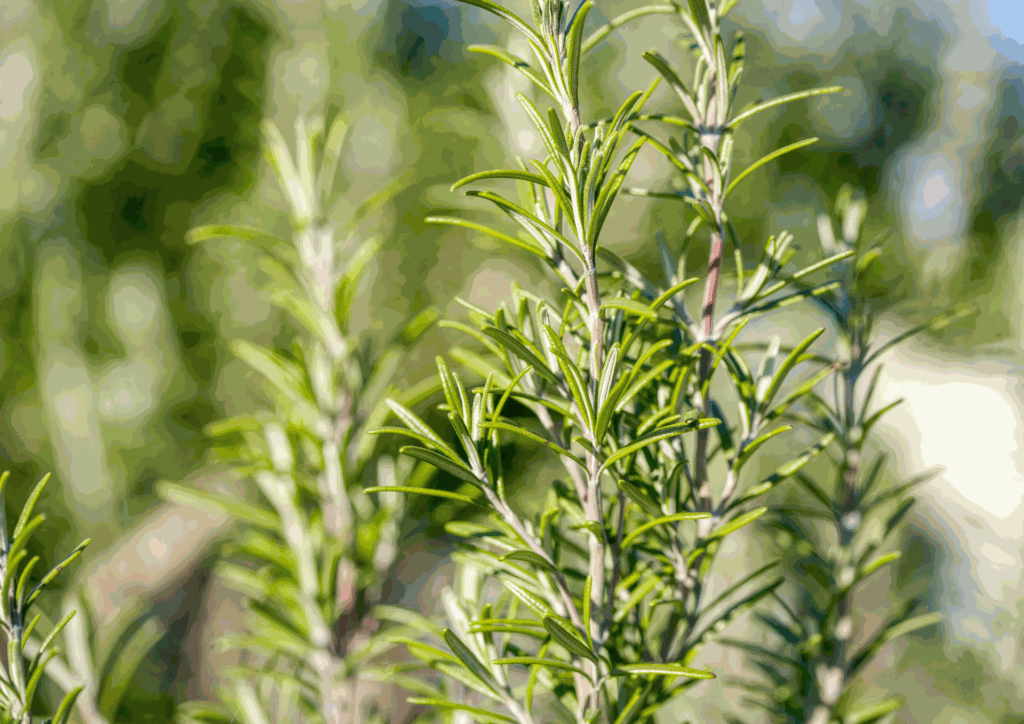
Have you considered adding aromatic and flowering plants to your garden? Besides bringing colour and fragrance, they offer benefits that can improve crop health and yields.
Here are some reasons to include them in your growing space:
Keep pests away
Aromatic and flowering plants release many scents that can confuse harmful insects. This diversity of odours makes it harder for pests to locate crops, reducing reliance on pesticides and supporting natural pest control.
They attract beneficial insects
By providing habitat and food for beneficial insects such as ladybirds and parasitoid wasps, aromatic and flowering plants increase garden biodiversity. These insects are valuable allies in biological pest control because they feed on unwanted insects and help maintain ecological balance.
They promote biodiversity
Many aromatic and flowering plants also attract pollinators such as bees and butterflies. Pollinators are essential to many fruit and vegetable crops, and their presence increases biodiversity and can significantly improve yields.
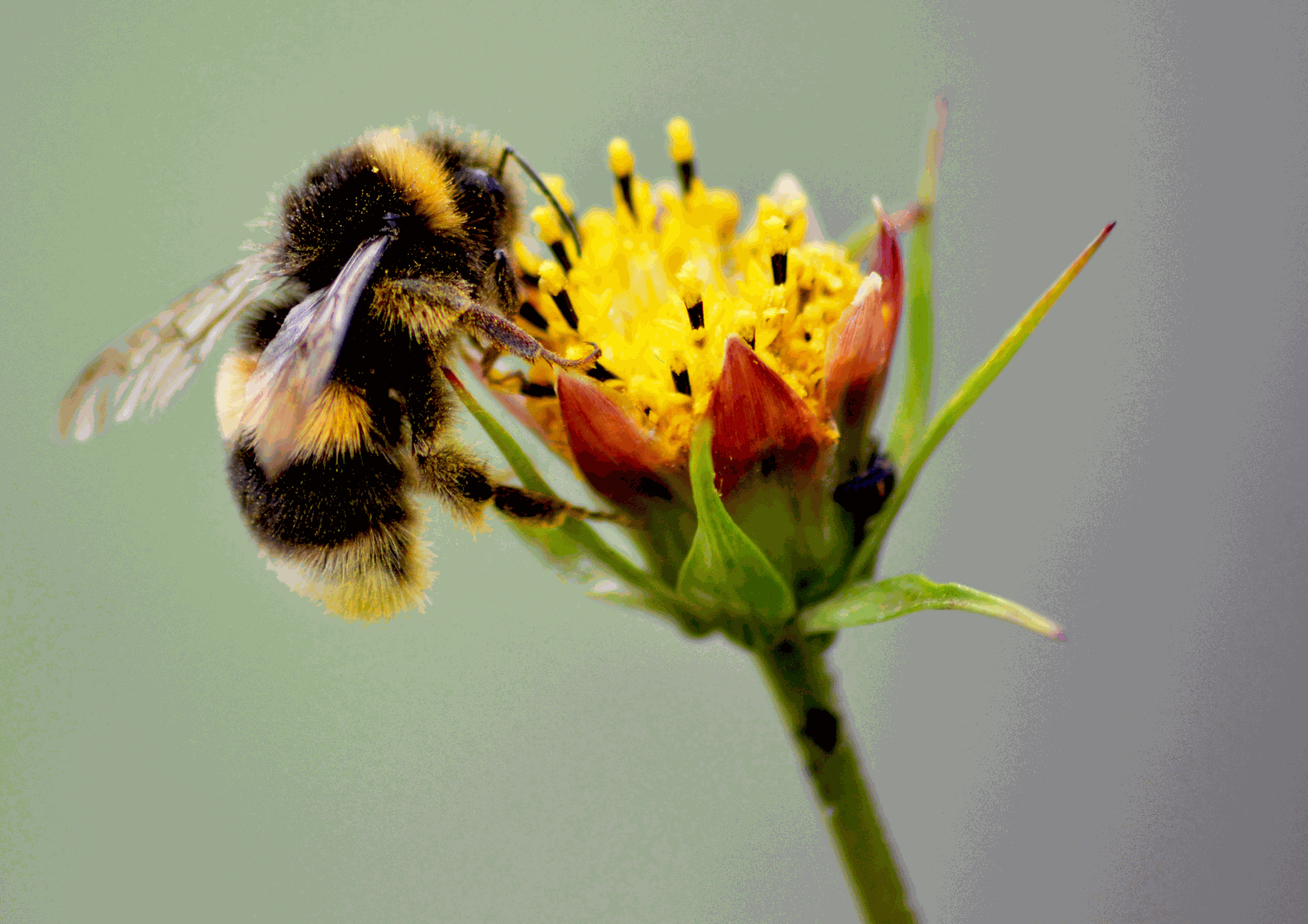
To make the most of these benefits, place the plants strategically around the garden’s edges or in a herb spiral, where they can form a natural barrier to pests and attract beneficial insects effectively.
Integrating aromatic and floral plants into your garden will not only improve its appearance, but will also promote a healthier and more balanced environment for your crops!
Recommended aromatic plants for the garden:
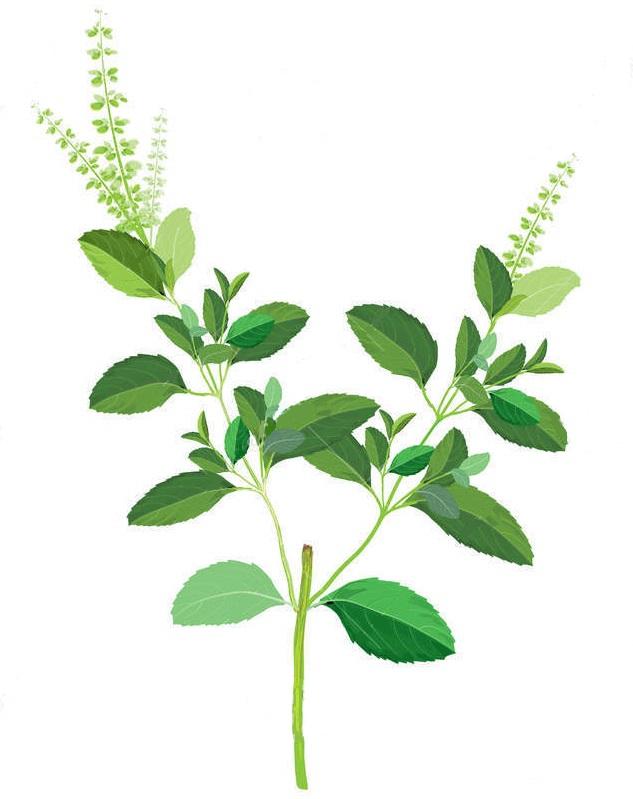
Basil
An excellent companion for tomatoes, peppers, courgettes and cucumbers.
Repels: whiteflies, aphids, mosquitoes and fungi.
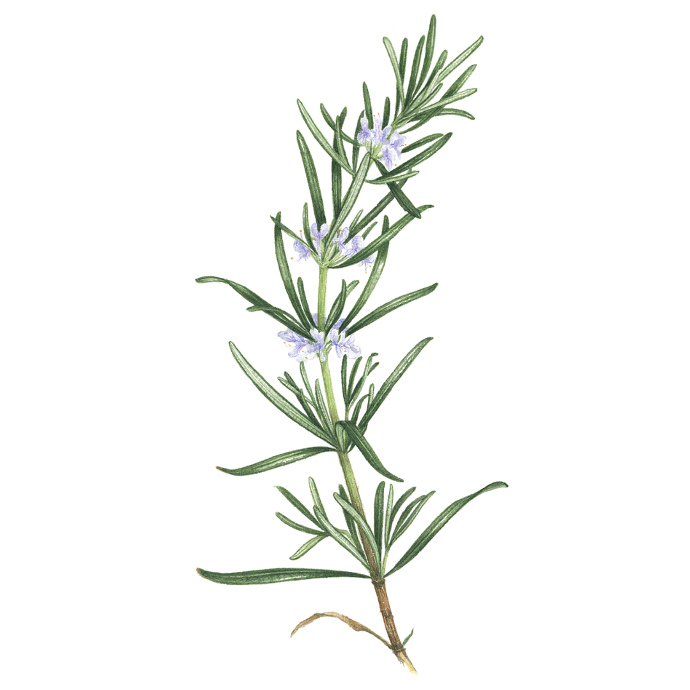
Rosemary
Attracts: pollinators, especially bees.
Repels: cabbage worms, Colorado potato beetles and whiteflies, among others.
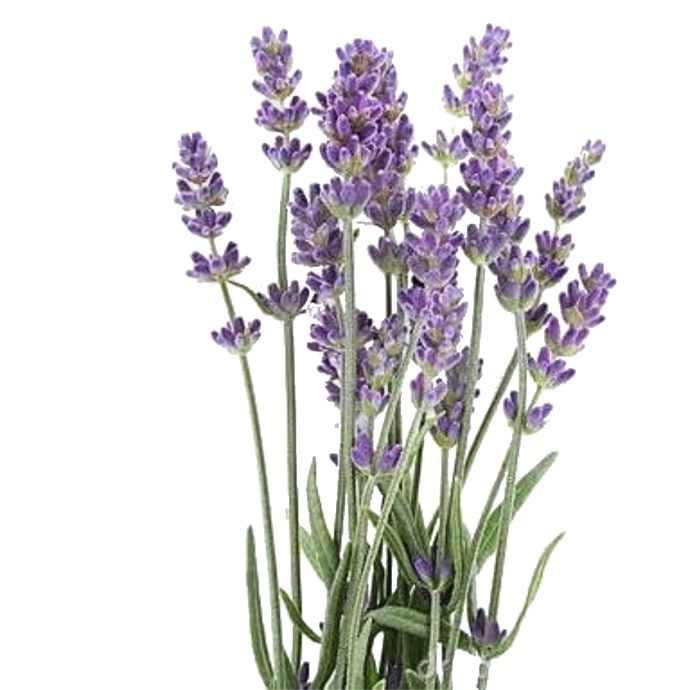
Lavender
Attracts: pollinators.
Repels: red spider, aphids, caterpillars and mosquitoes.
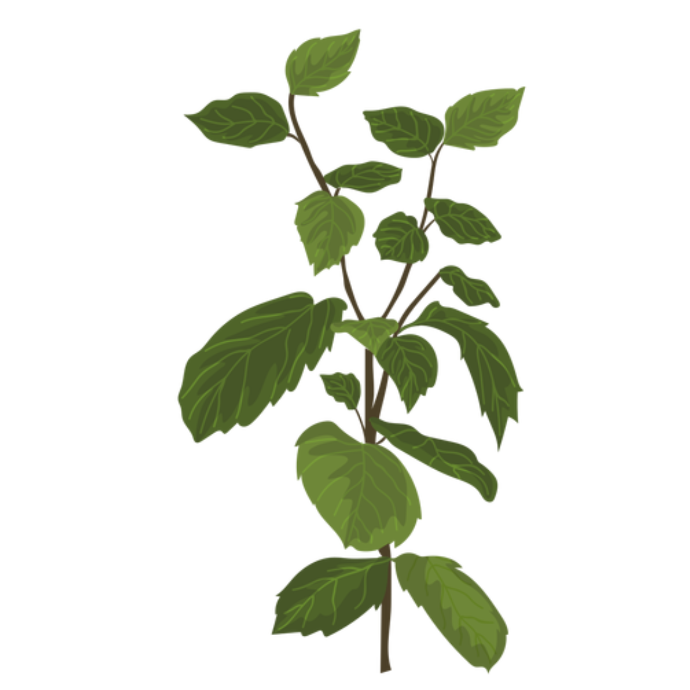
Mint or peppermint
Attracts: ladybirds, pollinators and other predatory insects.
Repels: ants, carrot flies and cabbage white butterflies, among others.
Recommended flowering species for the garden:
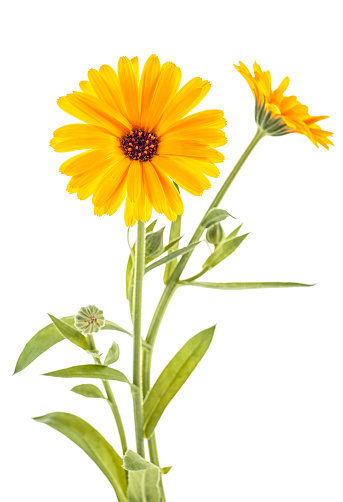
Calendula
Attracts: pollinators, ladybirds, lacewings and hoverflies, which feed on pests such as aphids.
Repels: nematodes, aphids and beetles.
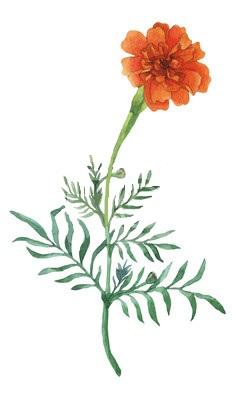
Tagetes
Attracts: pollinators and predators including ladybirds, hoverflies, lacewings and parasitoid wasps.
Repels: nematodes, aphids and whiteflies.
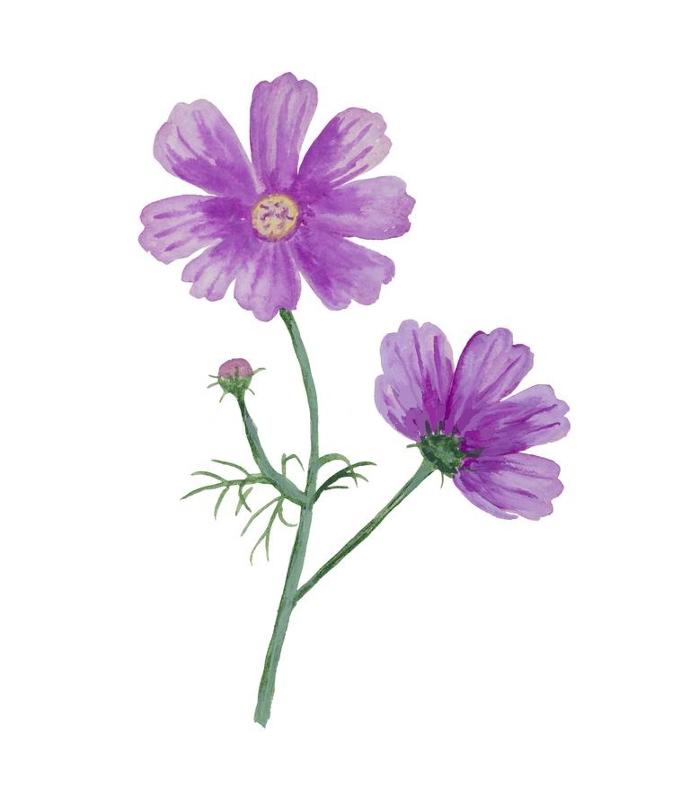
Cosmos
Attracts: lacewings, hoverflies and wasps, all of which prey on pests. It also attracts pollinators.
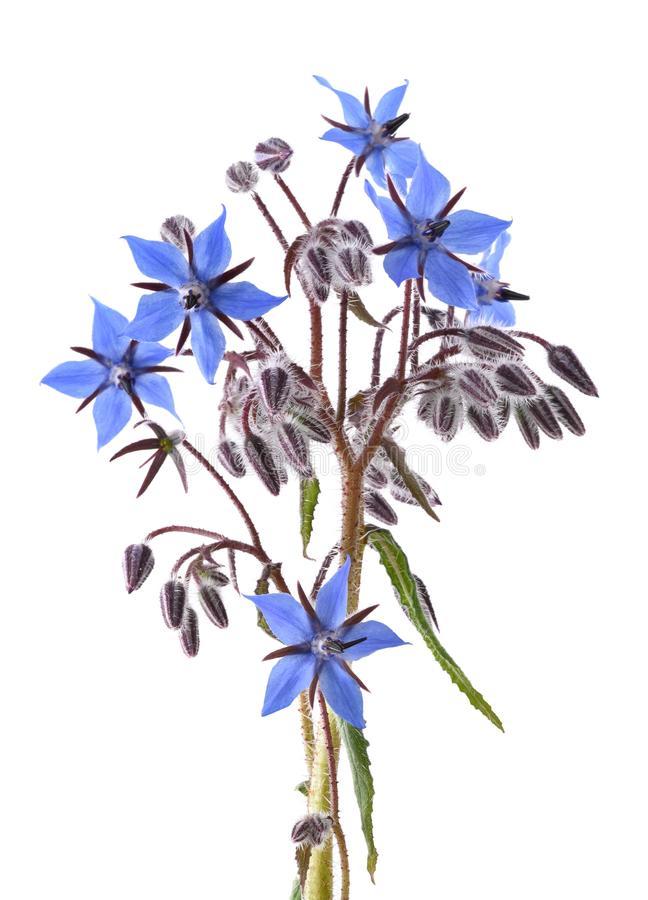
Borage
An excellent companion for cucurbits such as courgettes, cucumbers and watermelons. Its flowers are particularly attractive to bees, while cucurbits are especially vulnerable when pollination is insufficient.
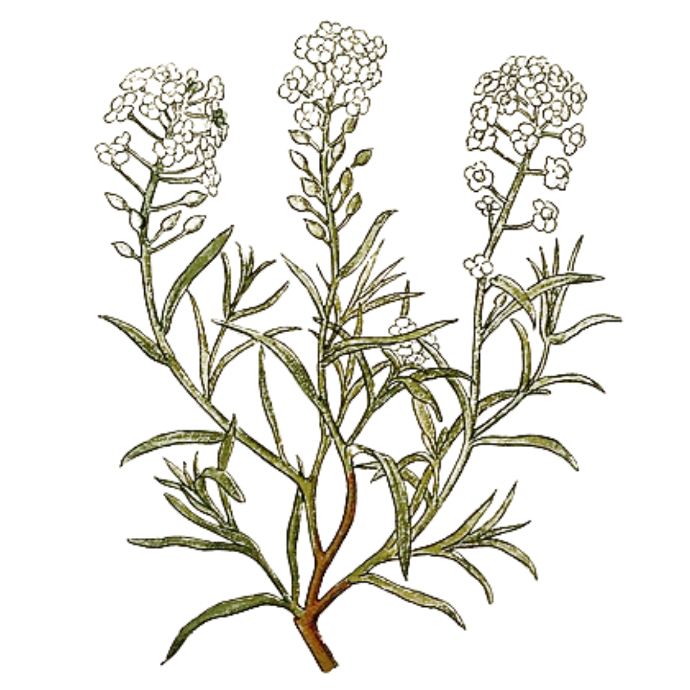
Sweet alyssum
Also known as Lobularia maritima, it attracts bees, butterflies and other pollinators, as well as beneficial predators and parasitoids of thrips.
Did you know how useful aromatic and flowering plants can be in the garden?
Tell us about your experience on social media or by sending us an email at info@institutestudishorta.org!