
Project
Traditional Work in Valencia’s Huerta
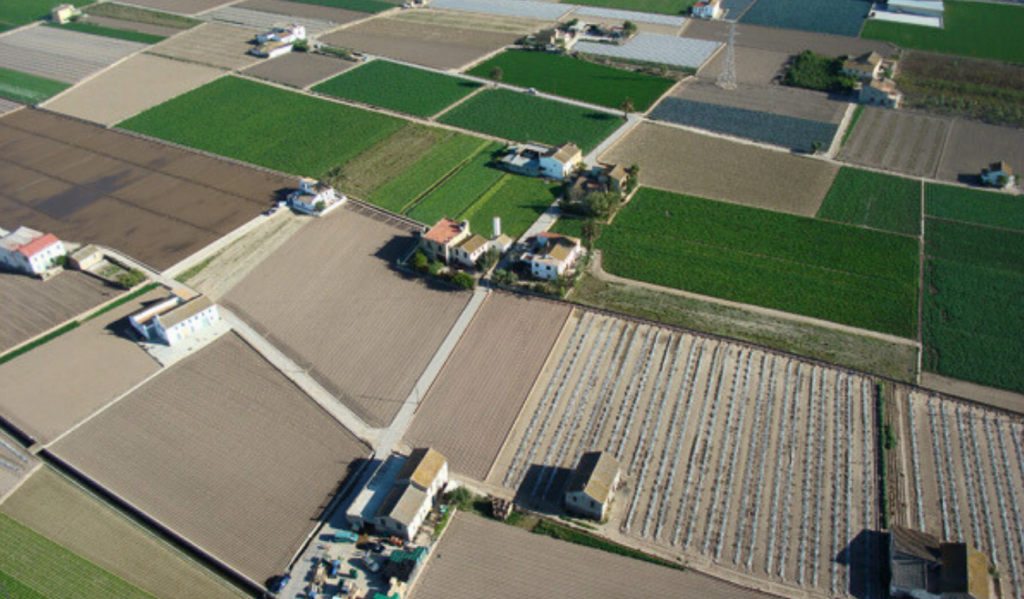
Valencia's agri-food sector is one of the most important in Spain. At the same time, the food industry is becoming increasingly prominent, many areas of farmland are being abandoned, and the cultural, economic and environmental wealth represented by the traditions of Valencia's huerta is gradually being forgotten.
Traditional Work in Valencia’s Huerta
Valencia’s agri-food sector is one of the most important in Spain. At the same time, the food industry is becoming increasingly prominent, many areas of farmland are being abandoned, and the cultural, economic and environmental wealth represented by the traditions of Valencia’s huerta is gradually being forgotten.
This monograph seeks to foster recognition of the work that farmers have carried out in the past and continue to perform today.
Today, people who work professionally in agriculture form a disadvantaged group because of narrow financial margins and the obstacles they face every day.
Given the sector’s difficult economic situation and the lack of generational renewal, it is essential to make farmers’ vital work visible so that the traditions of Valencia’s huerta are not lost or forgotten.
This monograph aims to broaden and share knowledge of activities and tools that can still be seen today, and especially those that have disappeared over the years and given way to new ones.
Our farmers’ heritage
After the Second World War, agriculture underwent major changes that unfortunately affected traditional knowledge passed down from generation to generation over centuries.
During this transformation, thousands of local varieties—the greatest legacy of our farmers and inseparable from their cultivation techniques and selection criteria—ceased to be grown. Today, just 120 cultivated plant species provide more than 90% of the food consumed by humanity.
This loss of crop diversity, driven by uniformity and homogeneity in agricultural production, can have a devastating effect on the food-production system, increasing exposure to pests and diseases and forcing many farmers out of the sector. The diminished role of farmers in selecting and genetically improving local varieties has been a key factor in the silent disappearance of agricultural diversity.
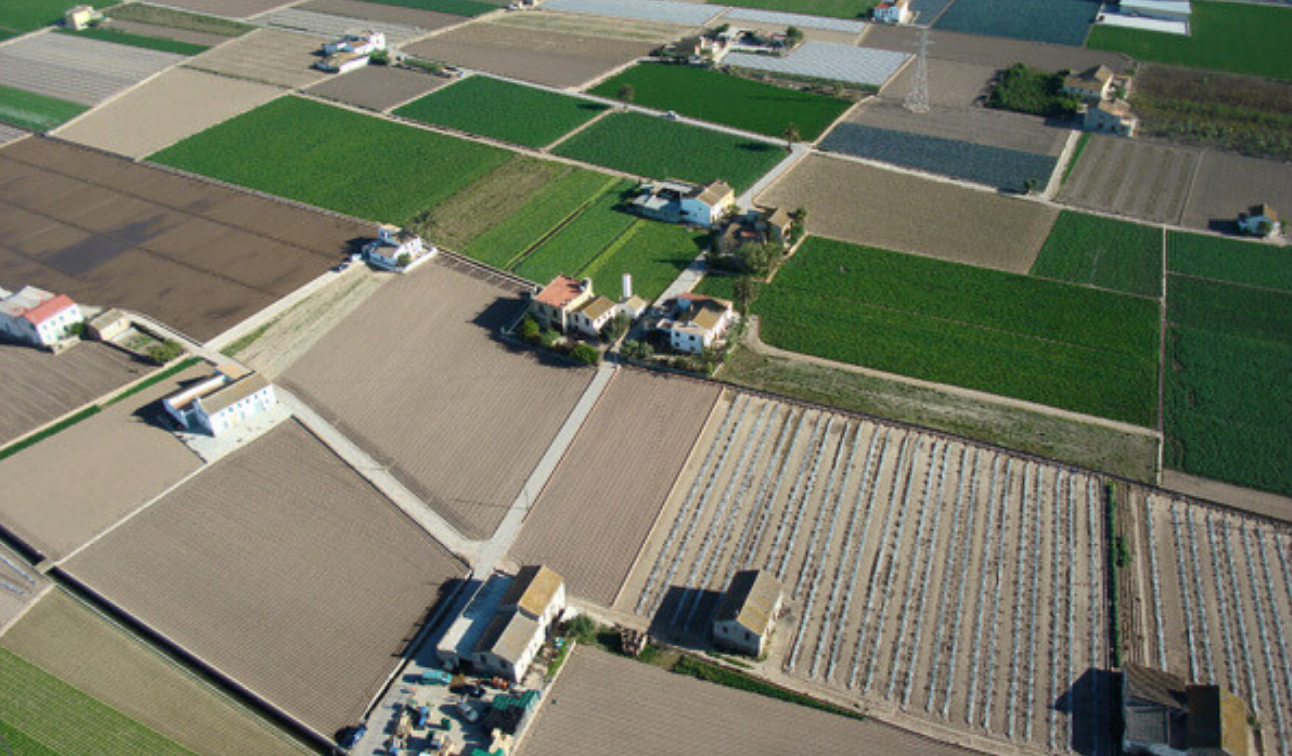
Traditional farming remains deeply rooted in the culture of Valencia’s huerta, yet modern conventional agriculture has turned food production into another branch of industry.
Territorial Action Plan for the Huerta (PATH)
Living together
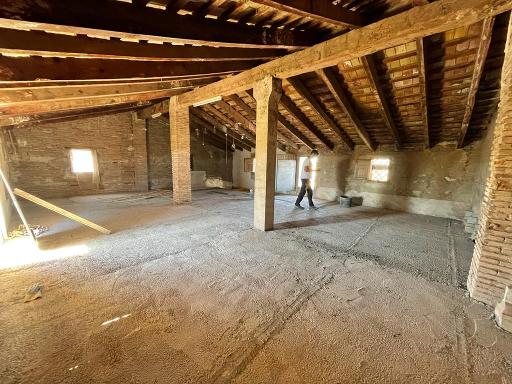
Not so many years ago, much agricultural work took place in homes adapted for the purpose. Their open, prepared spaces made it possible to store parts of the harvest that could not be sold, produce held in the hope of a better price later, or food kept for the household. This work brought the whole family, and sometimes neighbours, together.
It is worth highlighting the fundamental role of
l’andana
or the
cambra
in the traditional homes of Valencia’s huerta. Located on the upper floor, this space was used to hang foods such as melons and tomatoes from the beams with ropes so that they would keep longer, and to dry tiger nuts and cacau del Collaret peanuts. Tools and old household items were also stored there.
For many years, reed racks were also installed in these spaces to raise silkworms and supply thread to Valencia’s silk industry.
This widespread practice provided farming families with additional income.
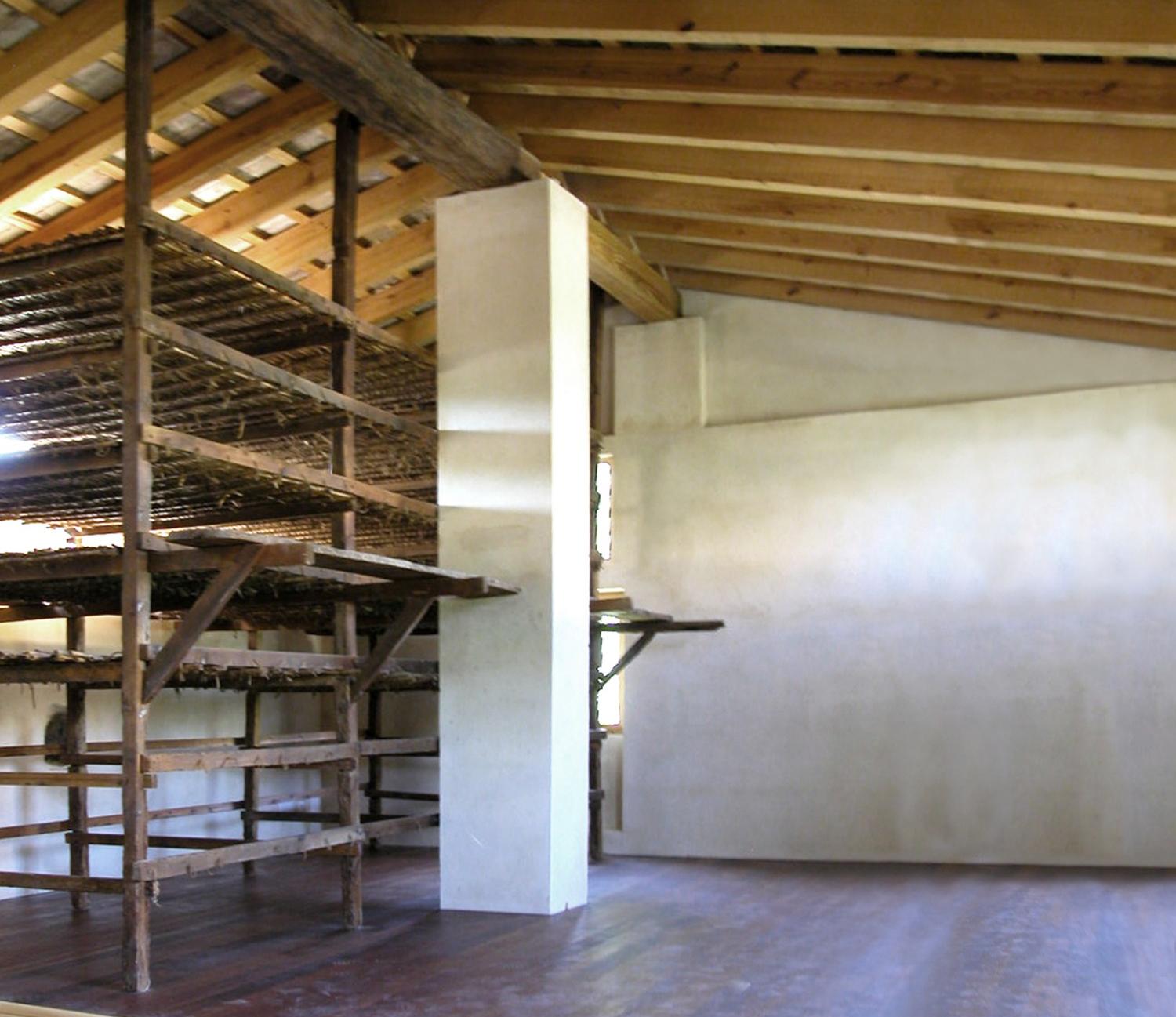 Photograph of the silkworm nursery at Alqueria de Fèlix.
Location: Marxalenes Park
Agricultural tools
Some agricultural tools have retained their original design despite change and the passage of time.
Examples include the hoe (lligona) and the mattock (aixada) , which are still used for a range of agricultural tasks.
- The hoe (lligona) is used to finish by hand the ridges made by tractor—furrows arranged in rows so that irrigation water can pass—ensuring that the water flows correctly.
- The mattock (aixada) is used occasionally to finish harder corners where the lligona does not penetrate as effectively.
- Smaller hoes, known as lligonetes , are also used to remove weeds.
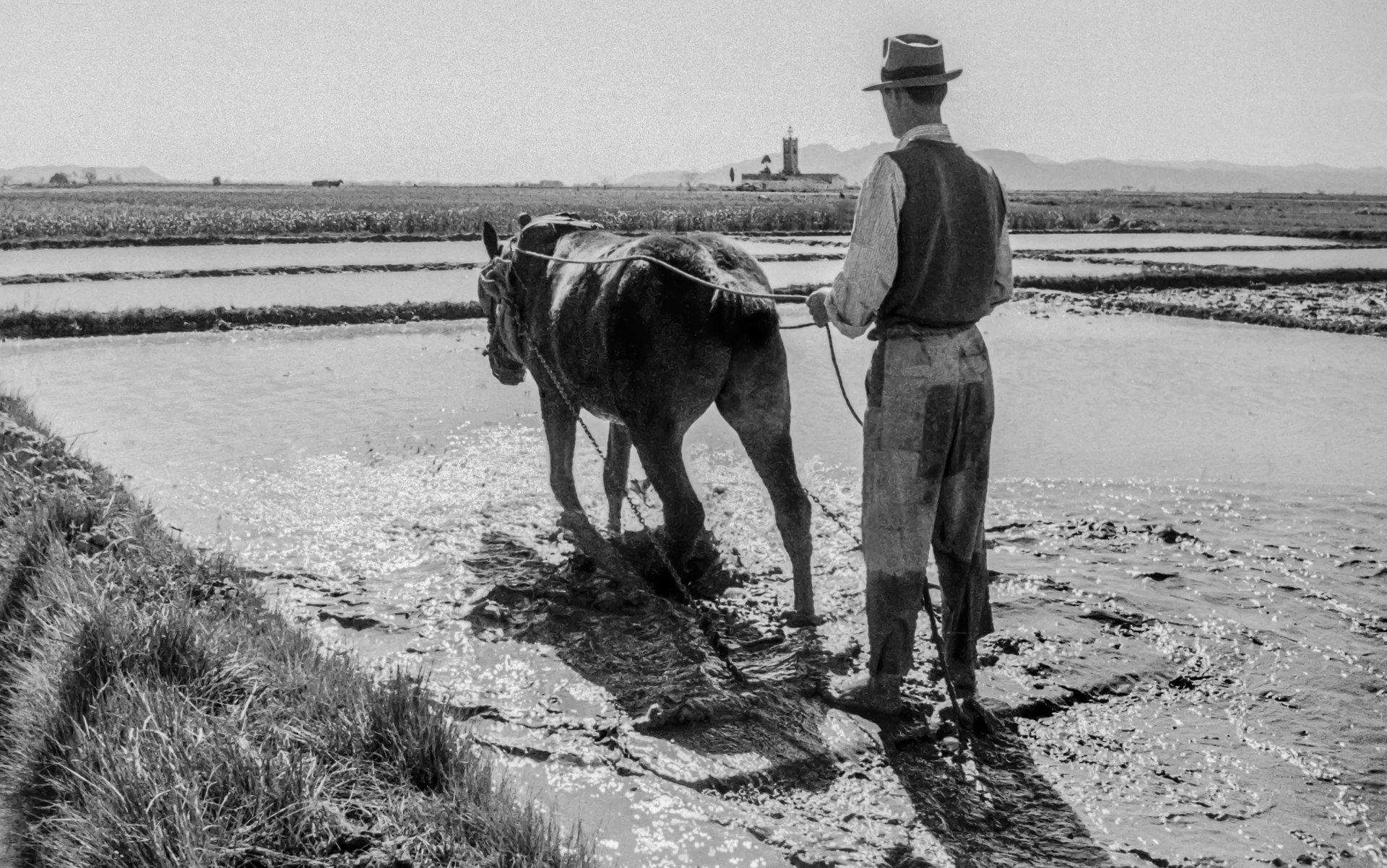
Photograph from the “Arròs” collection by Ismael Latorre Mendoza. Alginet
Other modern agricultural tools have been adapted from traditional implements.
For example, the levelling board (entauladora) , a tool used to level and break up soil, was originally a wooden board fitted with nails or blades, pulled by a horse and ridden standing by the farmer. Today, it forms part of an implement called a rotavator .
Farmers also used the
wooden plough (forcat)
, a horse-drawn tool fitted with iron pieces known as
rellas or cherugas
, to plough the land by opening longitudinal furrows.
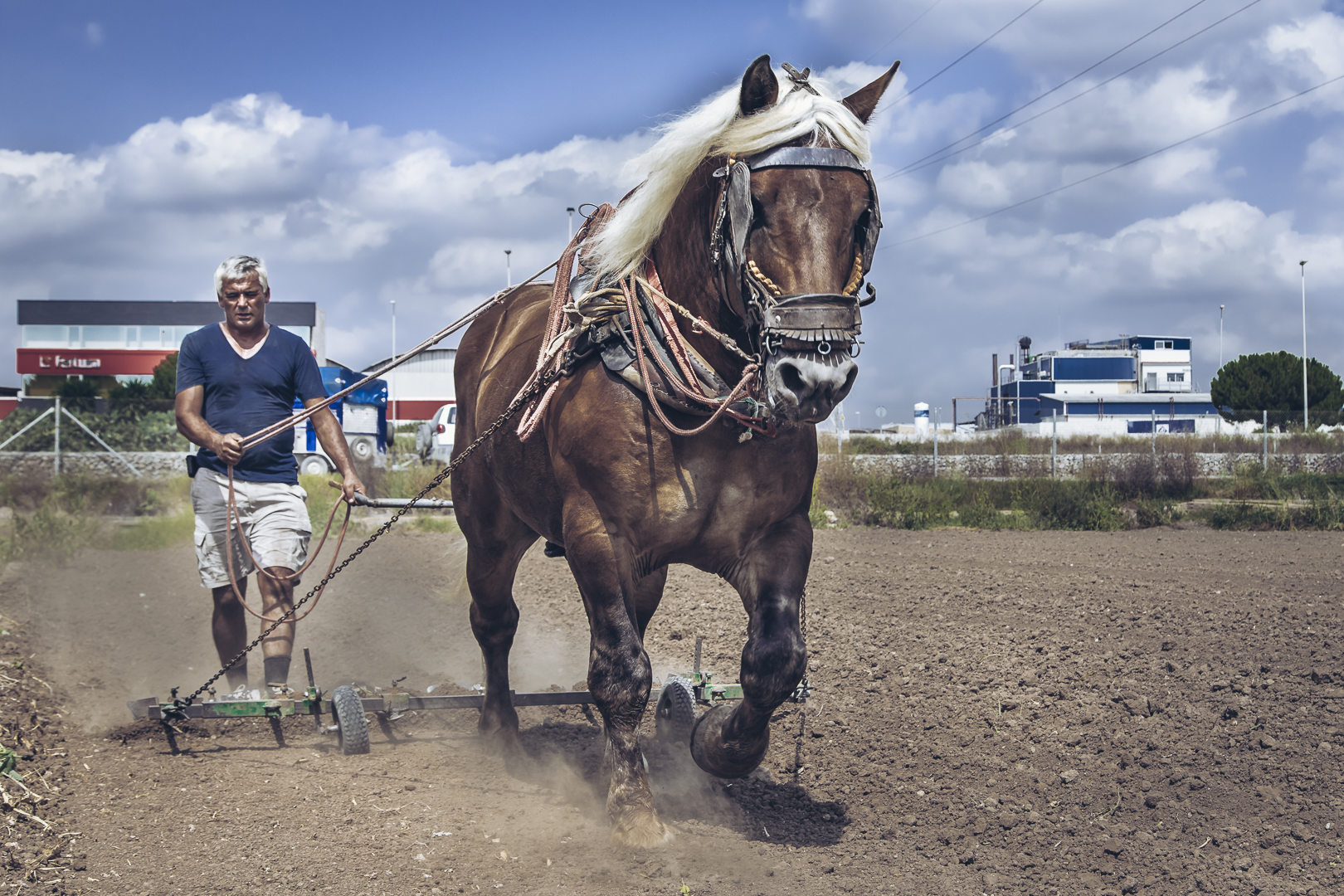
Photograph by José Luis Iniesta, “Imprescindible”. Silla
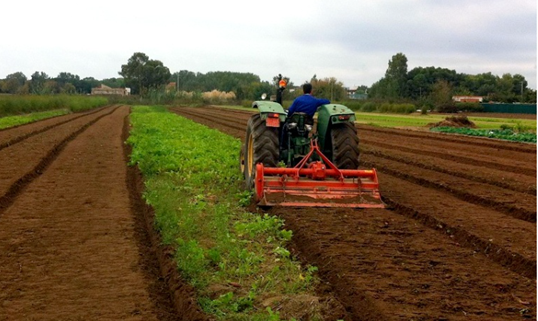
These tools later evolved into
rotavators
which are powered by a tractor and used to till the soil. Rotavators have blades that break up residues from the previous crop while aerating and levelling the soil.
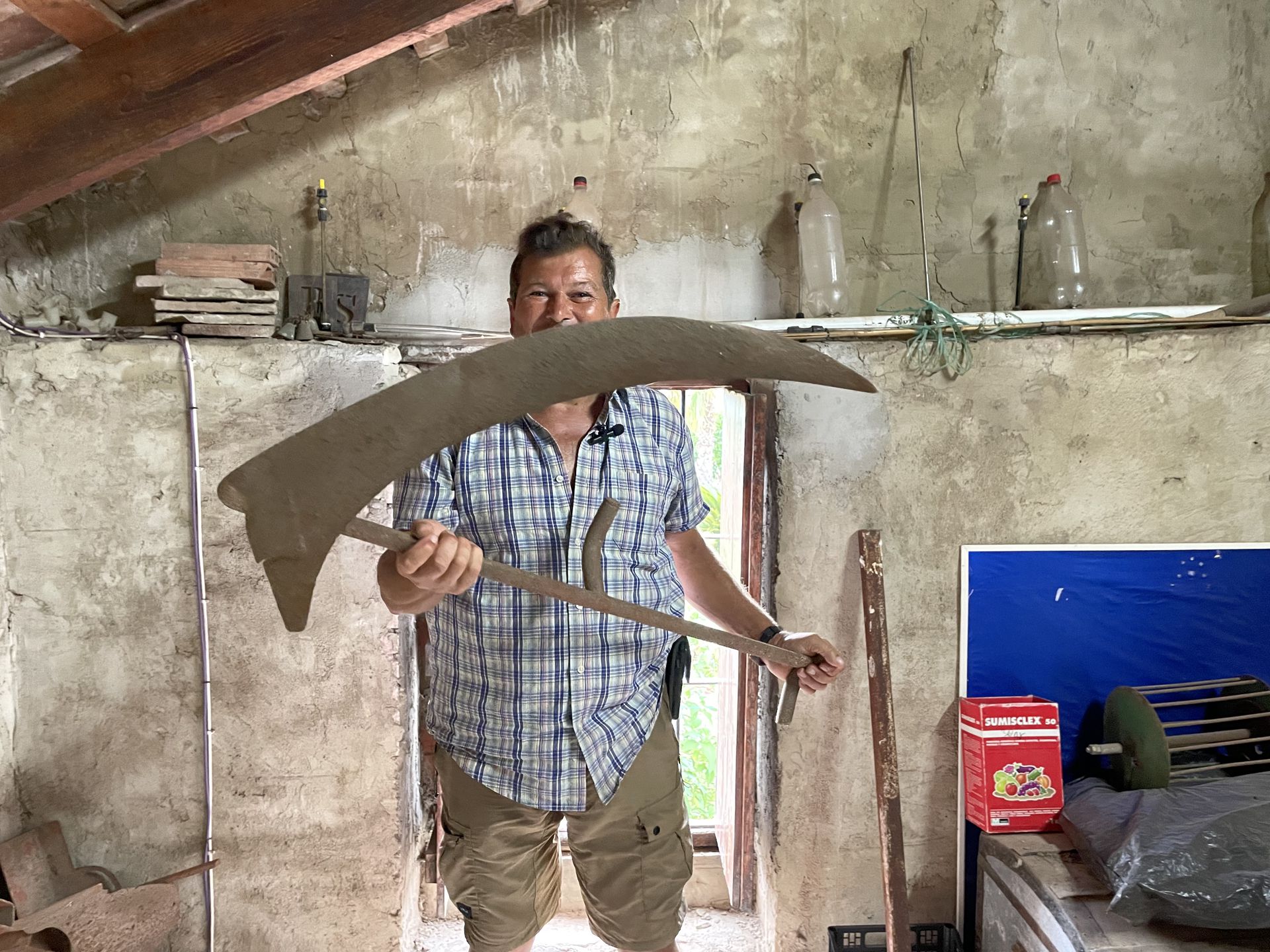
Another tool used before agricultural machinery arrived was the scythe , also known as a dalla . It was used in particular to cut wheat and grasses.
Although cereals are not currently grown in Valencia’s huerta, they were once common.
In the past, a hand tool called a trowel or shovel was used for sowing.
Because it was uncomfortable to use, this tool has given way to trigger-operated hand seeders. Tractor implements are also available for this task.
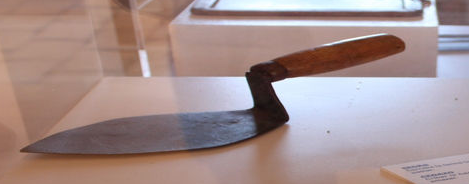
Almàssera Town Council’s Museu de l’Horta
As described above, many former tools have now given way to more efficient alternatives that save time and reduce the cost of work in Valencia’s huerta.
Given farming’s lack of profitability, many implements and tools once used directly in the fields are unlikely to be seen again outside museums and private collections.
Nevertheless, they will endure in the memories of many Valencian people, as well as in archives and specialist studies.
Many people born between the 1940s and the 1980s experienced the transition from traditional farming tools to modern tractors and machinery.
Work in the fields
The tasks performed in the fields have changed little over the years. What has changed is how they are carried out, through different tools and implements, new plant-protection products, new species and plant materials, and greater agronomic knowledge.
Tasks include tilling the soil, making ridges or furrows with almost mathematical precision, sowing broadcast or from seedlings, removing weeds, irrigating, fertilising, spraying and harvesting.
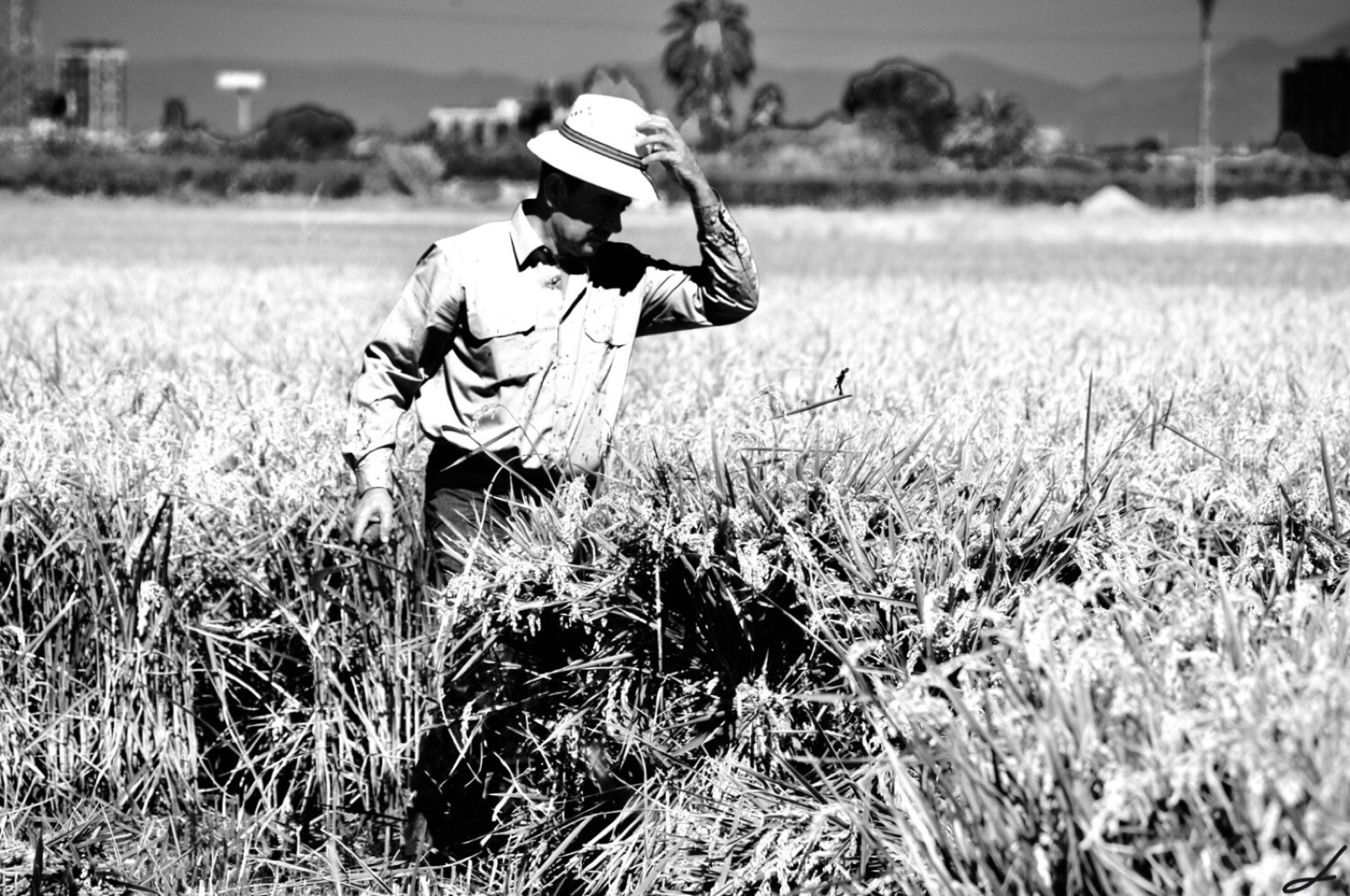
Photograph by Lucía Alcantud. “La sega”. Catarroja
Every crop has different requirements, compounded by sometimes adverse weather, new pests and diseases, and uncertain sales and prices that vary with crop quality, market demand, the available supply of the same product and hazards such as hail or frost.
Farmers faced these factors in the past and still contend with them today, now alongside imports from non-EU countries where there is no reciprocity in plant-health, administrative and employment requirements.
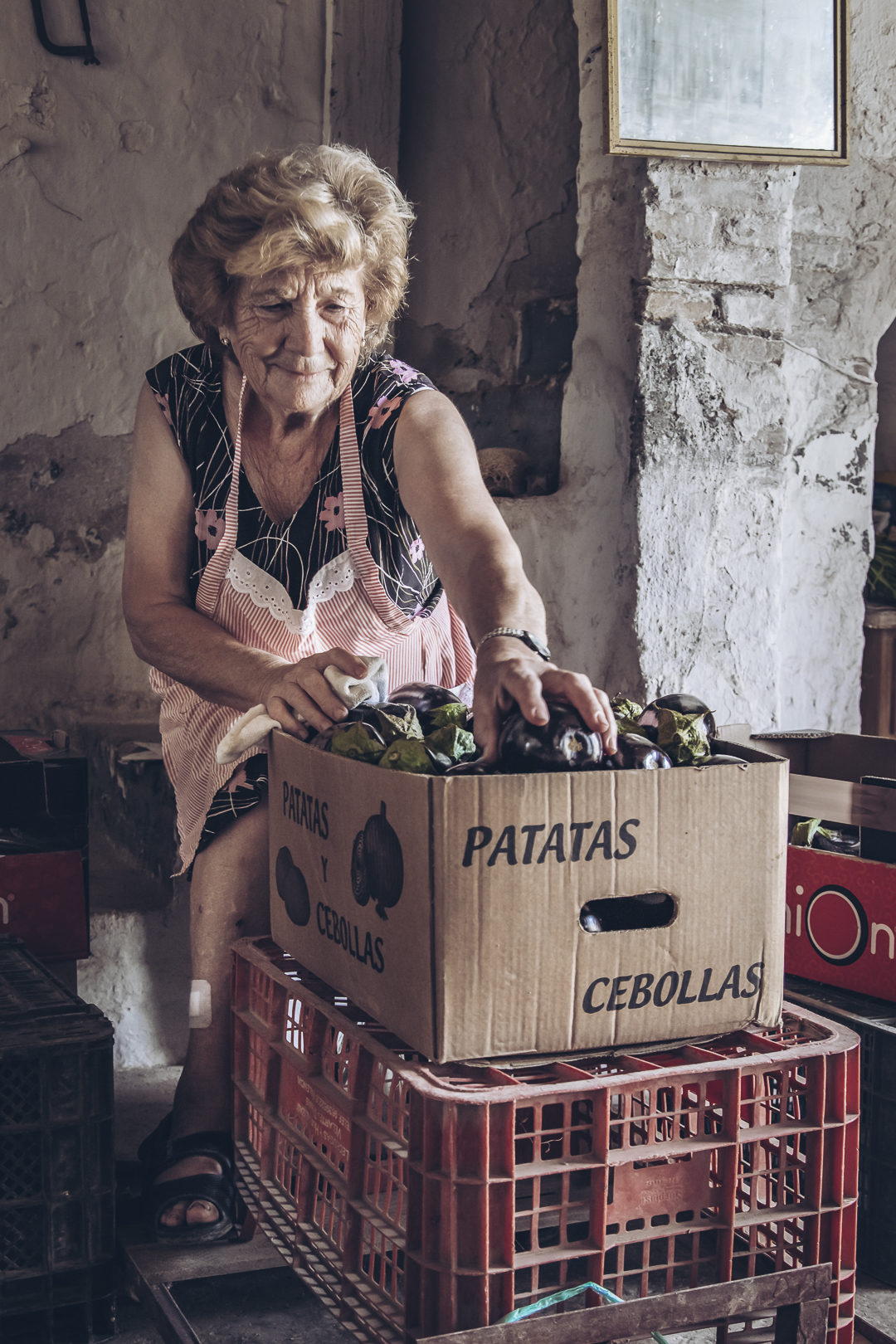
Photograph by José Luis Iniesta, “Carmen”. Alboraia
Ethnographic spaces that preserve our history
Several museums and ethnographic spaces now display implements and tools traditionally used in our huerta.
They include the Valencian Museum of Ethnology (L’ETNO) and the Museu de l’Horta in Almàssera. There are also distinctive sites that display traditional tools to the public, such as Alqueria El Machistre, in Alboraya, home to the Horchata and Tiger Nut Museum, and Alqueria de Fèlix, located in Marxalenes Park.
Valencian Museum of Ethnology (L’ETNO)
The Valencian Museum of Ethnology (L’ETNO), located in the La Beneficència Cultural Centre at 36 Carrer de la Corona in Valencia, was founded in 1982 and opened to the public in 1983.
L’ETNO’s galleries are an educational space, like a time machine that lets us walk through the past from the present and see the reality around us differently.
Its permanent exhibition has three galleries: the city; the huerta and wetland areas; and inland areas, including drylands and mountains.
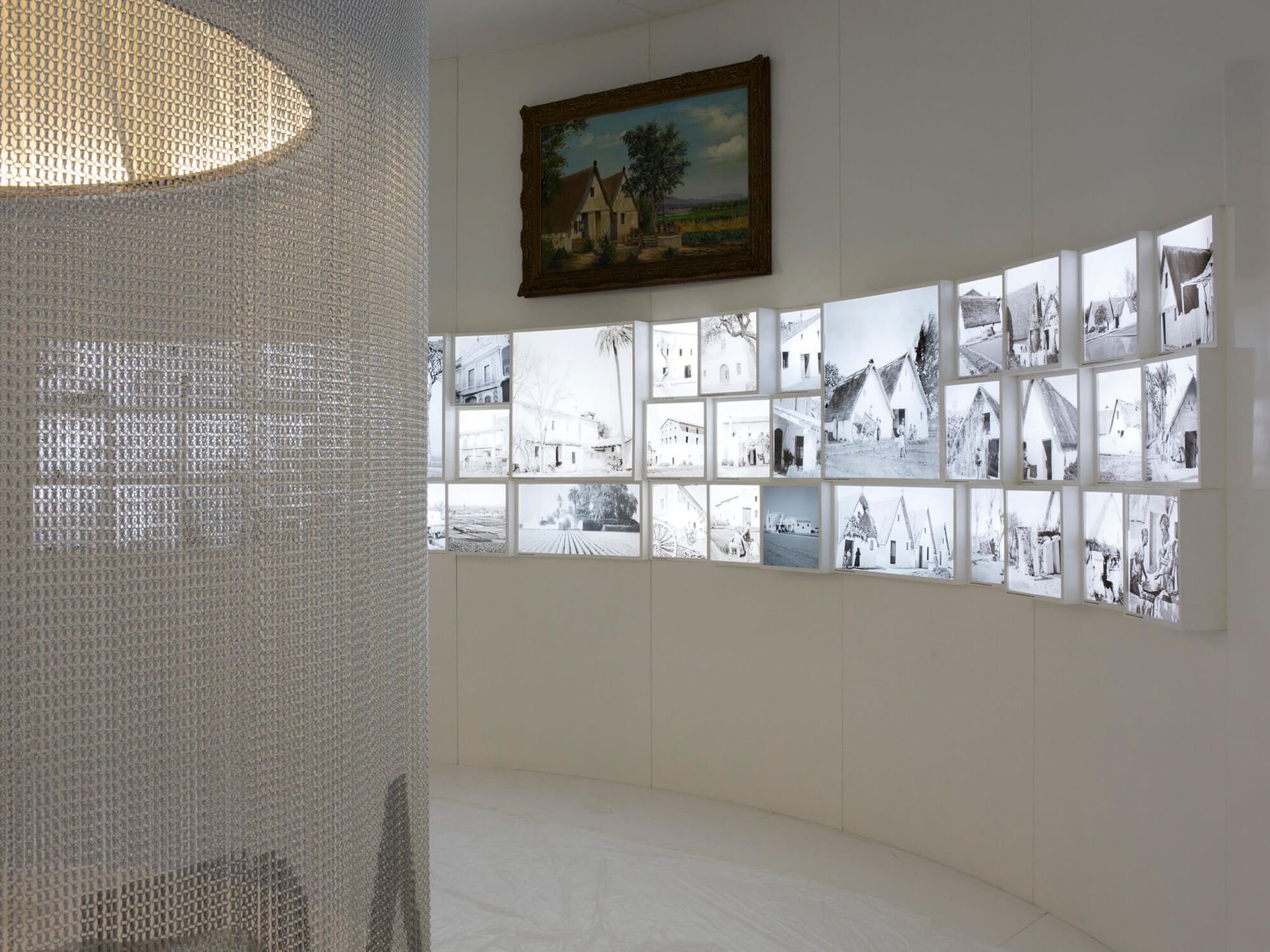
Photograph of L’ETNO Museum
Museu de l’Horta in Almàssera
The Museu de l’Horta in Almàssera, at 24 Avinguda del Mar, opened in 1999 as a museum project devoted to the agricultural way of life characteristic of Valencia’s huerta. It was created jointly by Almàssera Town Council and the regional Department of Agriculture, Fisheries and Food.
It is both an ethnological and botanical exhibition space. It also aims to provide a place to meet, study and reflect on the principal features that constitute and define Valencia’s huerta.
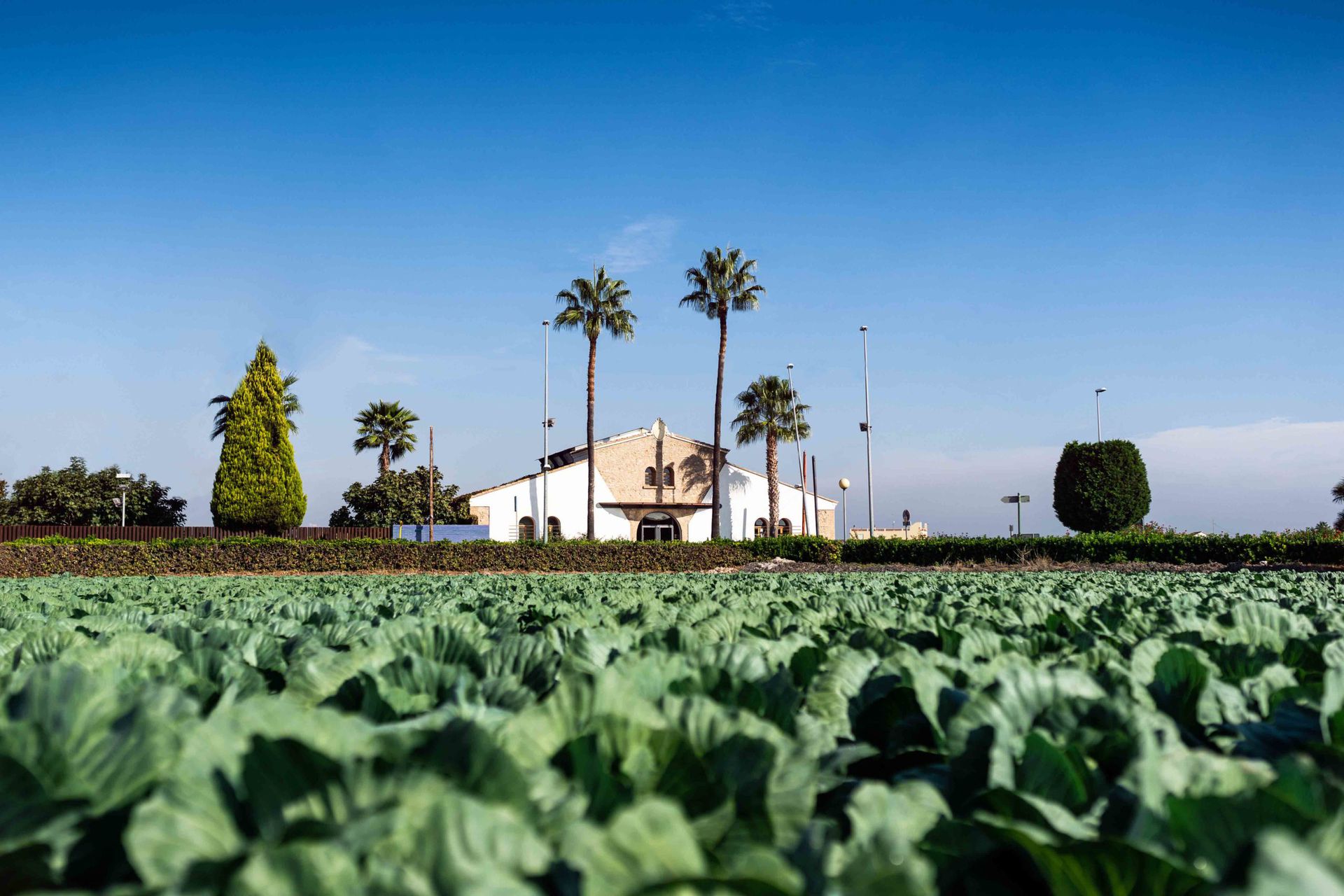
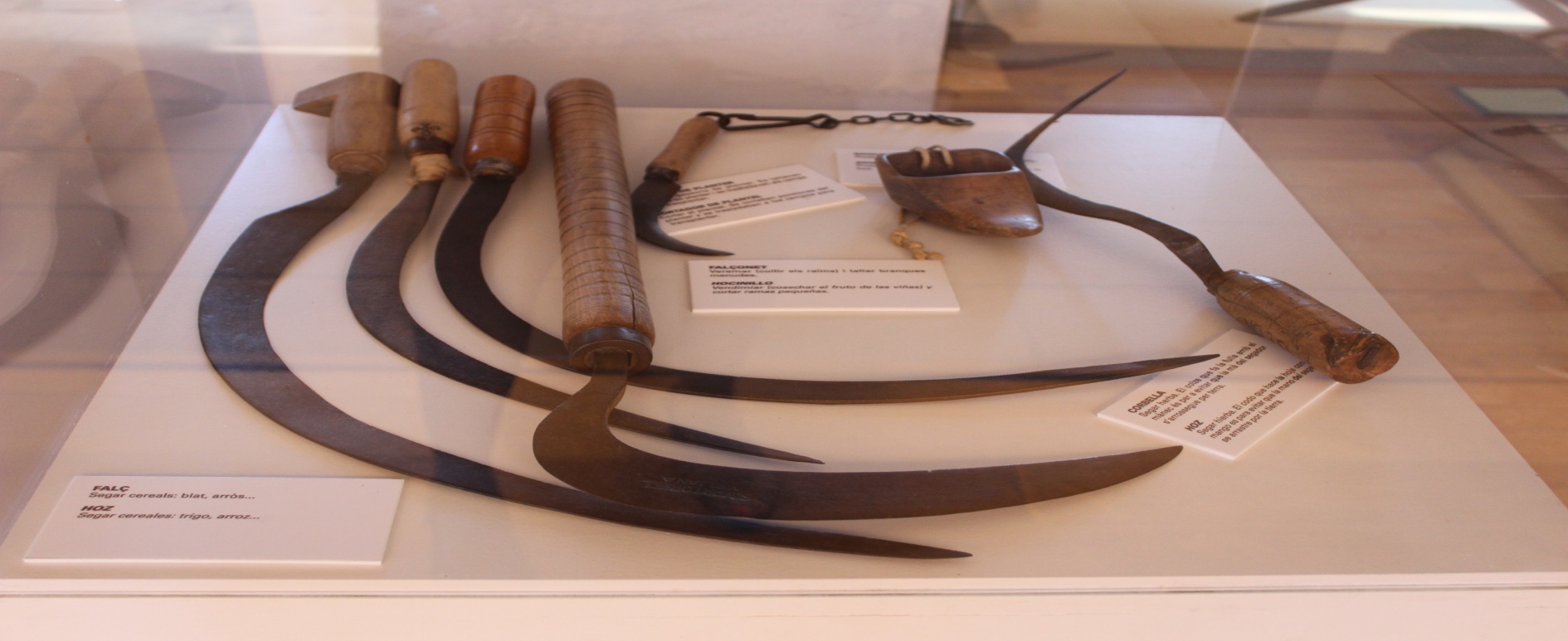
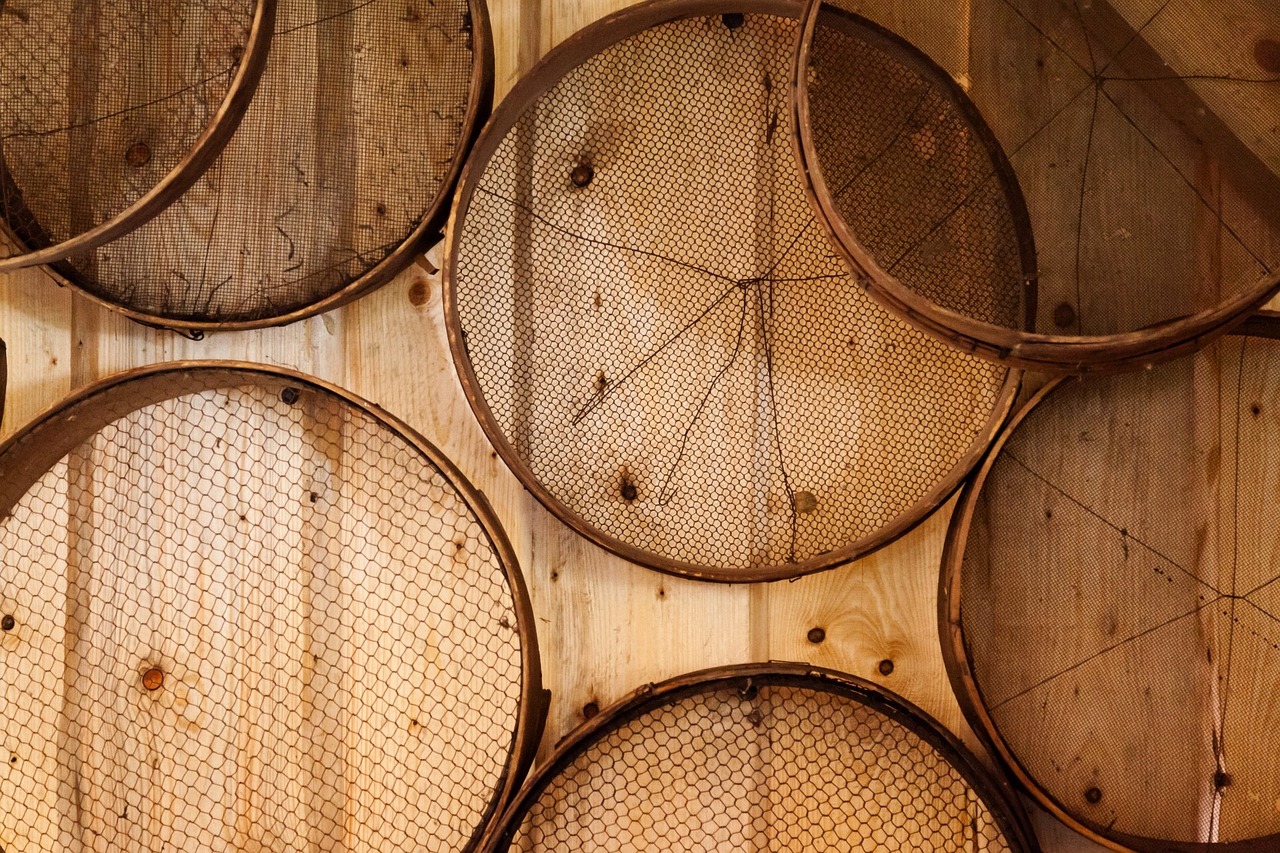
Photographs of the Museu de l’Horta in Almàssera
Take part!
Tell us your story
Preserving the identity of Valencia’s huerta, including its traditional tools and techniques, requires the stories and experience of people connected with its agriculture.
To this end, we are developing a project to gather your experiences, conduct interviews and analyse the information collected.
We need to preserve farming traditions so that they endure and are passed between generations through your words.
Our mission as an association is to cherish and pass on traditions and expertise known better than anyone by the huerta’s farmers.
What can you share?
We welcome experiences from anyone connected with Valencia’s huerta.
We would love to receive a video in which you tell the story of traditional tools and practices from your perspective. You can also request an interview and, where possible, we will travel to meet you in person.
We suggest covering the following points:

Traditional tool (include photographs if possible)

What advantages does it offer?
Describe the techniques used with the implements and tools
Send us a video or request an interview
You can request an interview and, where possible, we will travel to meet you in person.
Send the information to:
info@institutestudishorta.org
Thank you very much!
Monograph funded by: