Forests are not simply landscapes to admire. They are living systems that regulate the local climate, protect soil, conserve biodiversity and provide a first line of defence against one of the Mediterranean region’s greatest environmental risks: wildfires.
In the Valencian Community, where dry summers, extensive wooded areas and human pressure combine with particular intensity, understanding the forest’s role—and our responsibility as visitors—is essential to its conservation.
How forests help prevent fires
A healthy and well-managed forest is less vulnerable to fire. The diversity of species, the structure of the understory and the balance between wooded areas and open spaces directly influence the spread of flames.
Forest ecosystems perform several fundamental preventive functions:
They regulate the humidity of the soil and the environment
This reduces the extreme dryness that favours ignition.
They protect the soil against erosion
This prevents the loss of fertile topsoil and post-fire landscape degradation.
They act as natural barriers
Well-maintained vegetation strips and transition zones between woodland, farmland and inhabited areas can slow a fire’s spread.
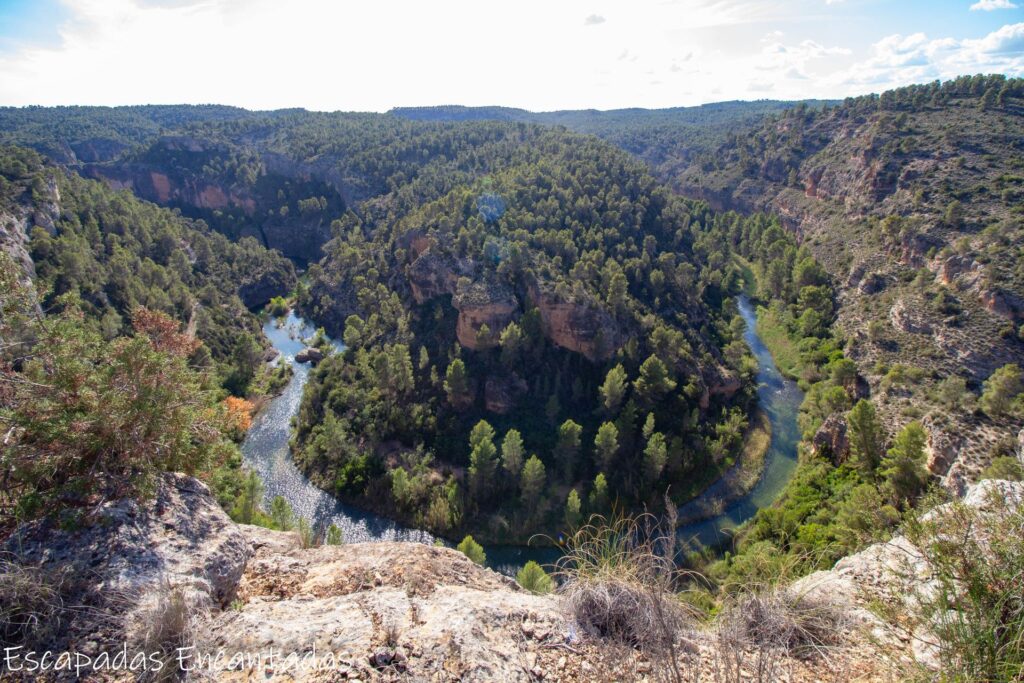
In spaces of high ecological value such as Cabriel Valley Biosphere Reserve, this approach is especially visible. There, forest conservation is combined with traditional practices, agricultural landscapes and territorial management that seeks to reduce risks and, at the same time, keep alive the relationship between the population and its natural environment.
Good practices for tourists and hikers
Most forest fires are caused by humans. Therefore, the behaviour of those who visit forests can make a difference.
Some basic responsible tourism guidelines include:
- Do not light fires or use stoves outside authorised areas, especially during periods of high risk.
- Do not leave waste, particularly cigarette butts, glass or flammable materials.
- Stay on marked roads and paths, and avoid sensitive or regenerating areas.
- Find out about the level of fire risk before your visit and always follow the instructions of local authorities.
- Keep noise and visual disturbance to a minimum, respecting wildlife and other visitors.
These actions, seemingly small, are part of a culture of collective care of the landscape that reinforces prevention and environmental awareness.
The Cabriel Valley is a clear example of how responsible tourism in natural environments can become a key tool for the prevention of forest fires, by promoting active care of the territory and the involvement of the local and visiting population.