
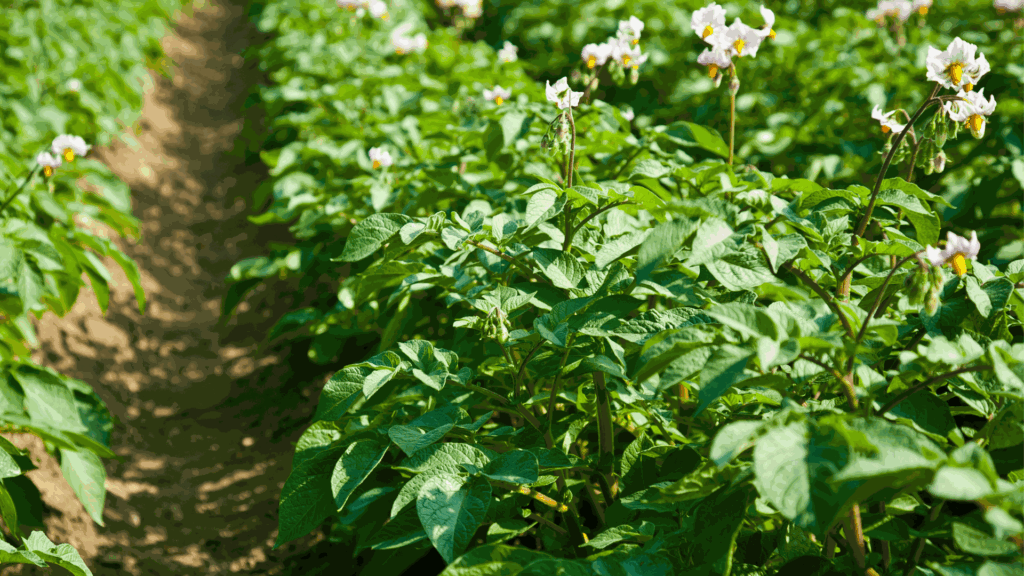
Where culture and land meet
The Valencian market-garden landscape is not merely farmland. For centuries, it has fed families, shaped our cuisine and passed on values of respect for and balance with nature.
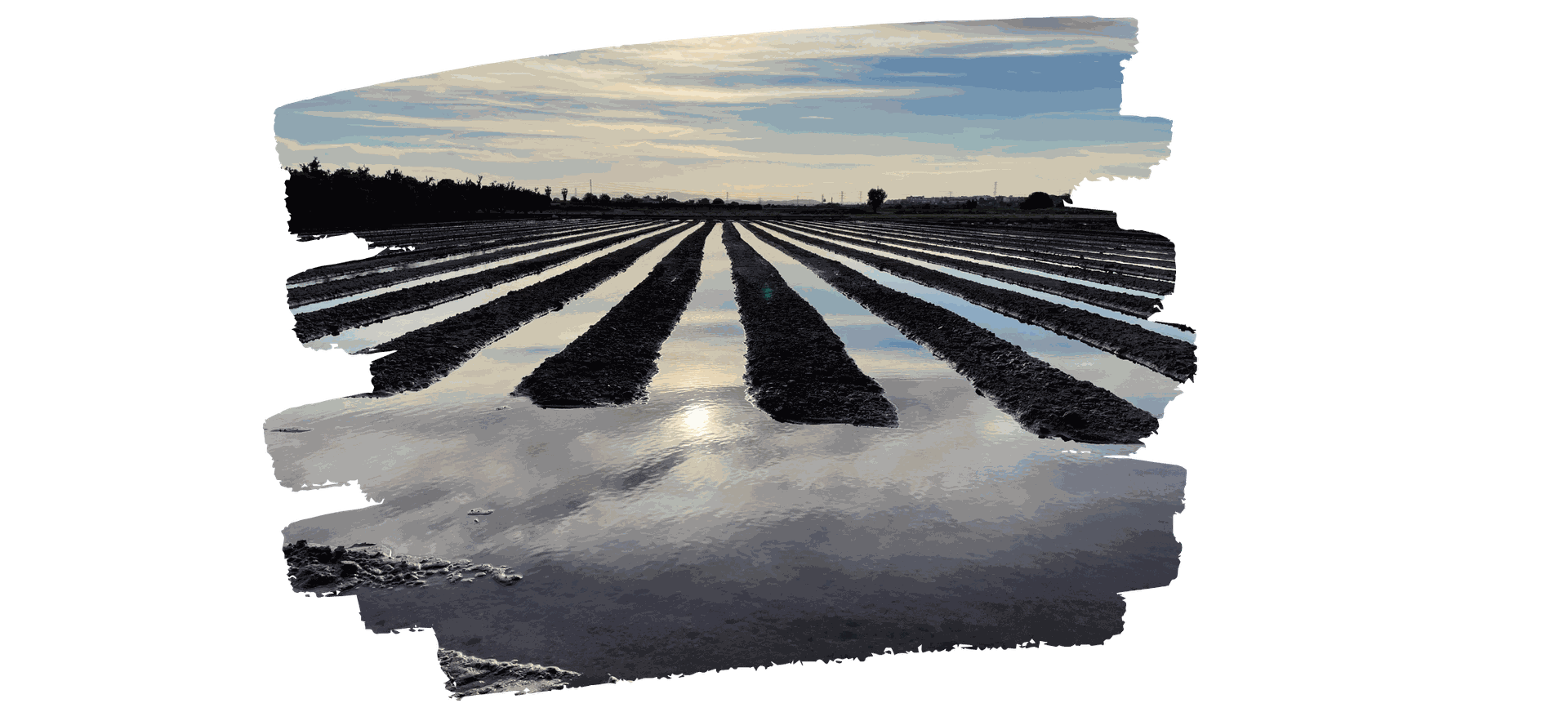
It provides ingredients that are fundamental to the Mediterranean Diet, recognised by the UNESCO as Intangible Cultural Heritage of Humanity.
The market gardens: a model of Mediterranean balance
Fresh, local and seasonal foods are the basis of the Mediterranean Diet. Valencia’s market gardens have produced these foods for centuries: tomatoes, peppers, artichokes, onions, courgettes and oranges, among others.
Every season has its own rhythm and flavours, teaching us to respect natural cycles, avoid excessive consumption and reduce food waste.
Know-how and cultural transmission
Working the market gardens has always been a form of cultural transmission. Irrigation techniques, ways of organising work, recipes and harvest customs form part of a body of shared knowledge that passes from generation to generation.
This wisdom—knowing when to sow, how to cook and how to preserve produce—keeps Mediterranean culture alive.
From field to table: a heritage to savour
Every traditional Valencian dish—from vegetable stew to esgarraet or Valencian paella—shows how produce from the market gardens reaches the plate without losing its identity.
Cooking with what the land provides is an act of respect for the landscape and a way to keep Mediterranean culture alive.