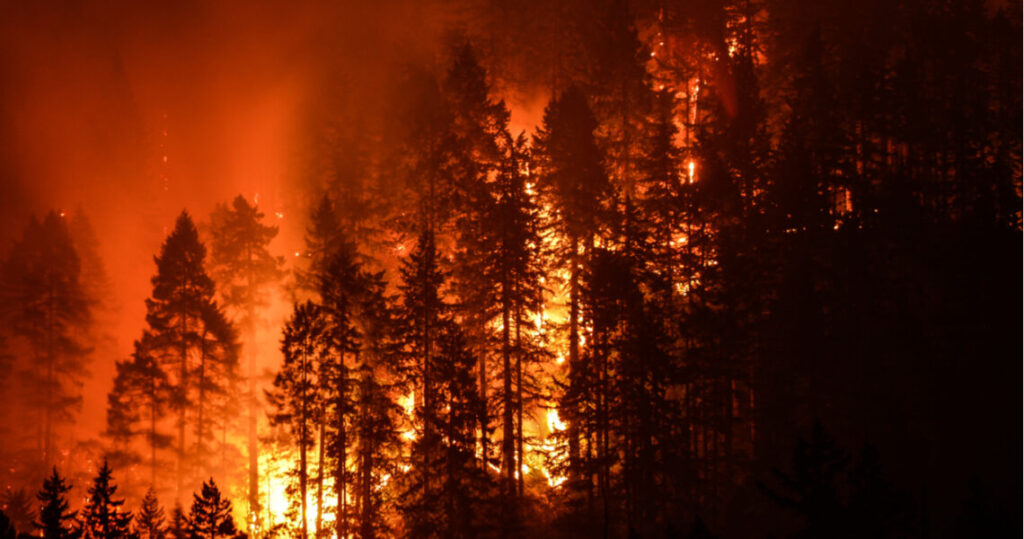
In recent years—and, regrettably, especially in recent weeks—wildfires have devastated forests and landscapes, worsening environmental and climate conditions worldwide. At the same time, climate change increases the risk and severity of wildfires, which are becoming faster-moving, more dangerous and harder to control.
One of the most important aspects of tackling wildfires is prevention. This is based mainly on two elements: preventive planning and regulating activities that could start a fire.
The risk of wildfire rises considerably during the summer season because of high temperatures and a lack of rain. These conditions are becoming increasingly common, making it essential to take extra care during the summer months.
Below are several tips for preventing wildfires. Finding solutions is not solely the authorities’ responsibility: everyone can help.
Official Greenpeace data indicate that people cause 96% of wildfires, most of them through negligence.
1. Do not leave waste that could start a fire
Waste such as bottles and other glass objects can focus sunlight and start a fire. Paper and other combustible materials can also help a fire spread or intensify.
Never discard cigarette ends or matches in or near woodland. Do not throw them from a vehicle window either, as the wind may carry and reignite them.
Although the guidance above focuses on wildfire prevention, we urge you more generally never to discard any kind of waste outside designated collection facilities, especially in natural areas.
2. Do not light fires during the high-risk season
Lighting fires in and around woodland always requires great care. Between 1 July and 1 November in particular, when the risk is greatest, any small spark or flame can start a fire. Avoid campfires, barbecues and burning crop residue during this period.
3. During the highest-risk period, do not use machinery or tools that can create sparks, and avoid combustion-engine vehicles in woodland
Avoid mechanical equipment and combustion-engine vehicles, including cars, in and around woodland, particularly during summer. An exhaust pipe touching dry scrub can start a fire, while brush cutters and chainsaws can produce sparks or intense heat. Keep this advice in mind especially when staying in a wooded area.
Some self-protection measures if you witness a wildfire

Try to put it out
Only if it has just started, and always put your own safety first.

Cover your nose and mouth
If possible, use a wet cloth and move away in the opposite direction to the smoke.
Roll on the ground
If your clothes catch fire. If you have a blanket or similar item, cover yourself with it.

Move downhill
and do not seek shelter deep within enclosed areas, where you could become trapped.
Above all, if you see a wildfire, call 112 immediately and take shelter.
Remember: your safety comes first.