
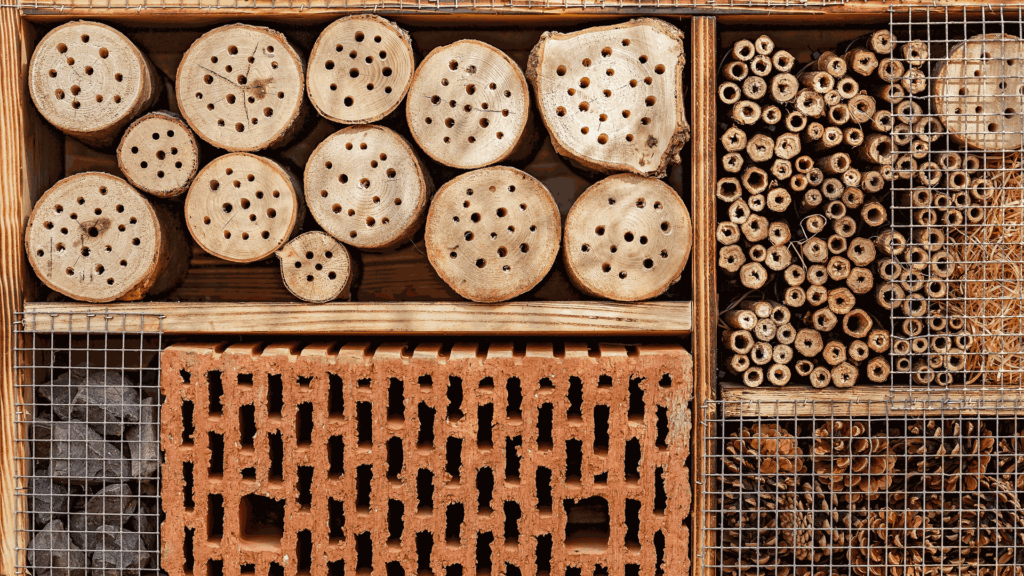
Did you know that some of the best allies for caring for your vegetable garden or ornamental garden are so small that they often go unnoticed? Solitary bees, ladybirds, lacewings, parasitoid wasps and beetles are just some of the beneficial insects that help pollinate flowers or control pests naturally.
Best of all, you can invite them to stay.
Insect hotels are small structures made from natural materials such as wood, canes, pine cones, cardboard or bark. They provide shelter and breeding areas for these valuable species and can be placed on balconies, in urban and community gardens, in school grounds or even in parks.
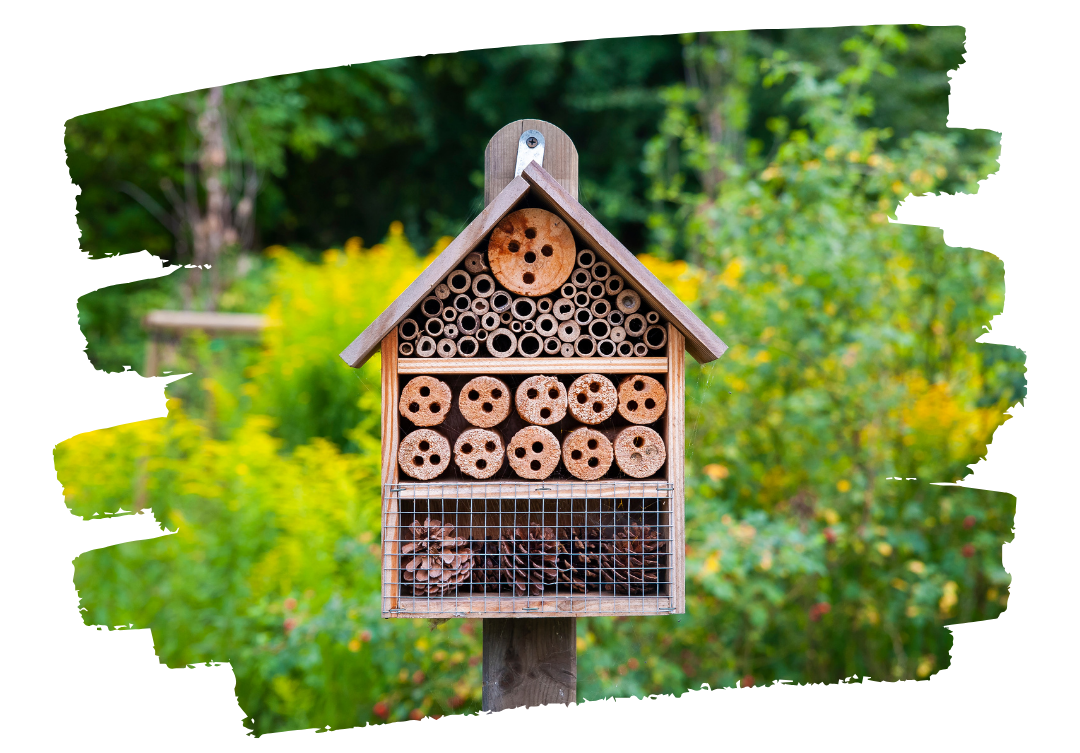
Why install an insect hotel?
They encourage natural pollination nearby.
They shelter insects that pollinate our plants and crops.
They support biological pest control.
They can reduce populations of aphids, caterpillars and scale insects.
They increase biodiversity in your space.
And make it healthier.
They require very little maintenance.
Once installed correctly, the insects take care of everything. You only need to inspect the hotel periodically.
They are an educational tool.
They are ideal for schools and environmental projects.
Which insects live in these hotels?
- Solitary bees: excellent pollinators that use hollow canes or holes in wood to lay their eggs.
-
Ladybirds: aphid predators that live among dry twigs inside small boxes.
-
Lacewings: their larvae feed on scale insects and other harmful insects; they prefer shelters made from corrugated cardboard.
-
Parasitoid wasps: they do not sting and control insects such as whitefly. They nest in very fine holes in wood.
-
Beetles: they eat caterpillars, slugs and snails and shelter among pine cones, straw and branches.
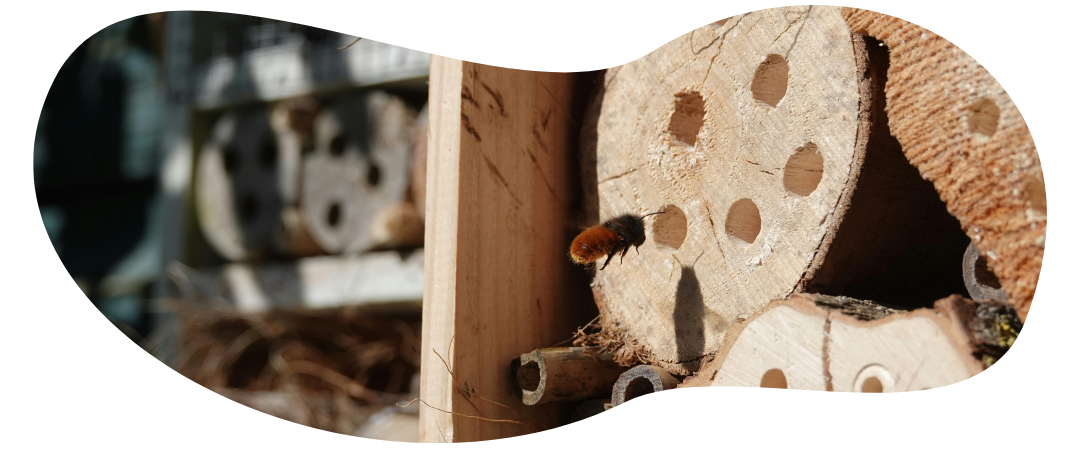
Tips for installing your insect hotel
📍 Location: choose a sunny place facing south or south-east and avoid damp or shaded areas.
📏 Height: position it at least one metre above the ground.
🛠️
Fixing: secure it firmly so that it does not move in the wind.
🌿Nearby vegetation: flowers and aromatic or wild plants nearby are essential. Without food and additional shelter, insects will not stay.
🌼 Recommended plants: lavender, marigold, rosemary, coriander and local wildflowers.
Where can you get one?
You can make one yourself from reused or natural materials, or buy one ready-made from a specialist retailer. The important thing is that it respects the environment and is positioned correctly.
If you would like to make your own insect hotel, keep an eye out: we will soon publish a step-by-step video showing you how.
🌍 A small action with a big impact
Installing an insect hotel is a simple, practical way to support biodiversity without leaving home. Our association promotes them as part of its environmental education and conservation projects.
Would you like to build your own or install one in your space? Our small allies will thank you.
Would you like to learn more about the Guardianes de la Biodiversidad project?
Funded by: