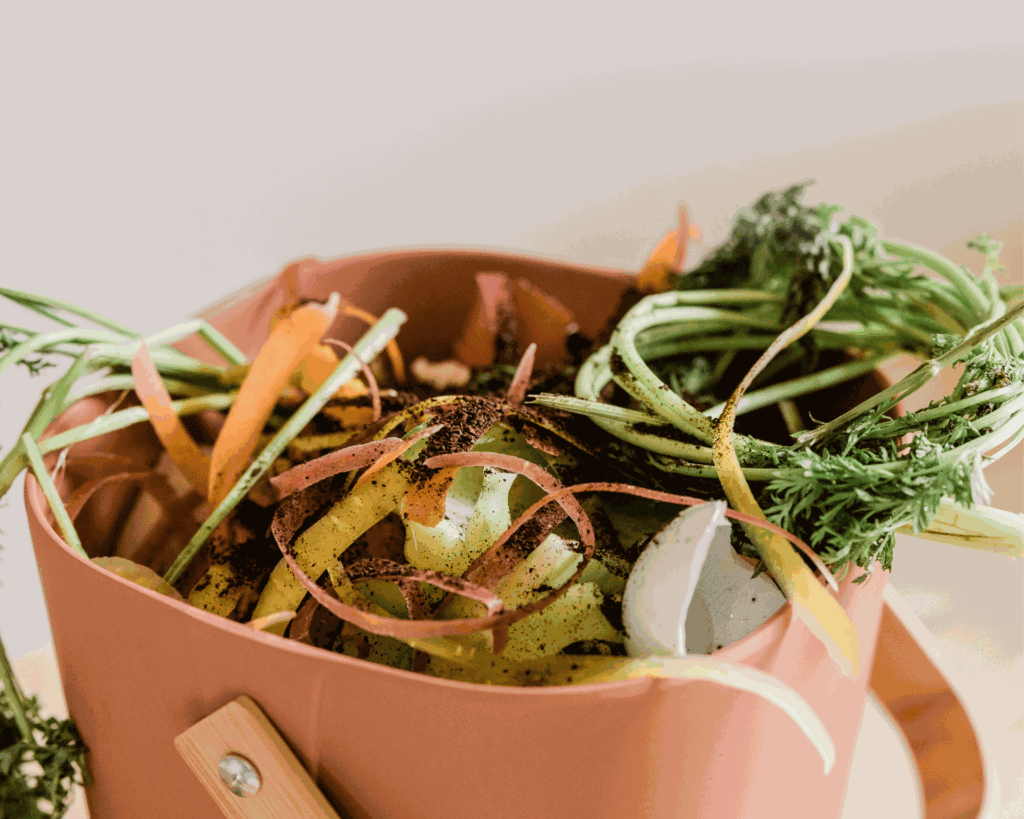
Did you know that almost 40% of the waste produced at home could become fertiliser for plants and crops? Home composting is a simple, affordable and environmentally friendly practice that allows us to give the organic waste we produce each day a new life.
At the Associació Institut d’Estudis de l’Horta Valenciana , we encourage you to discover the value of composting at home: a key tool for creating a more sustainable garden, adopting a more conscious diet and building a more respectful relationship with the natural environment.
What is composting?
Composting is the natural process through which organic matter—such as fruit and vegetable scraps, eggshells or coffee grounds—decomposes through the action of microorganisms, air, moisture and time.
The result is compost, a nutrient-rich natural fertiliser that improves soil health, stimulates plant growth and reduces the need for chemical fertilisers.
Why compost at home?
As well as reducing the amount of waste we throw away, home composting offers many benefits:
It closes the organic-matter cycle.
It returns to the earth what came from it.
It reduces greenhouse-gas emissions.
It prevents organic waste from decomposing in landfill and releasing methane.
It improves soil quality.
It increases the soil’s capacity to retain water and nutrients.
It encourages sustainable habits.
Composting recycles our organic waste and gives it a second life.
What do you need to get started?
You need just three key elements:
-
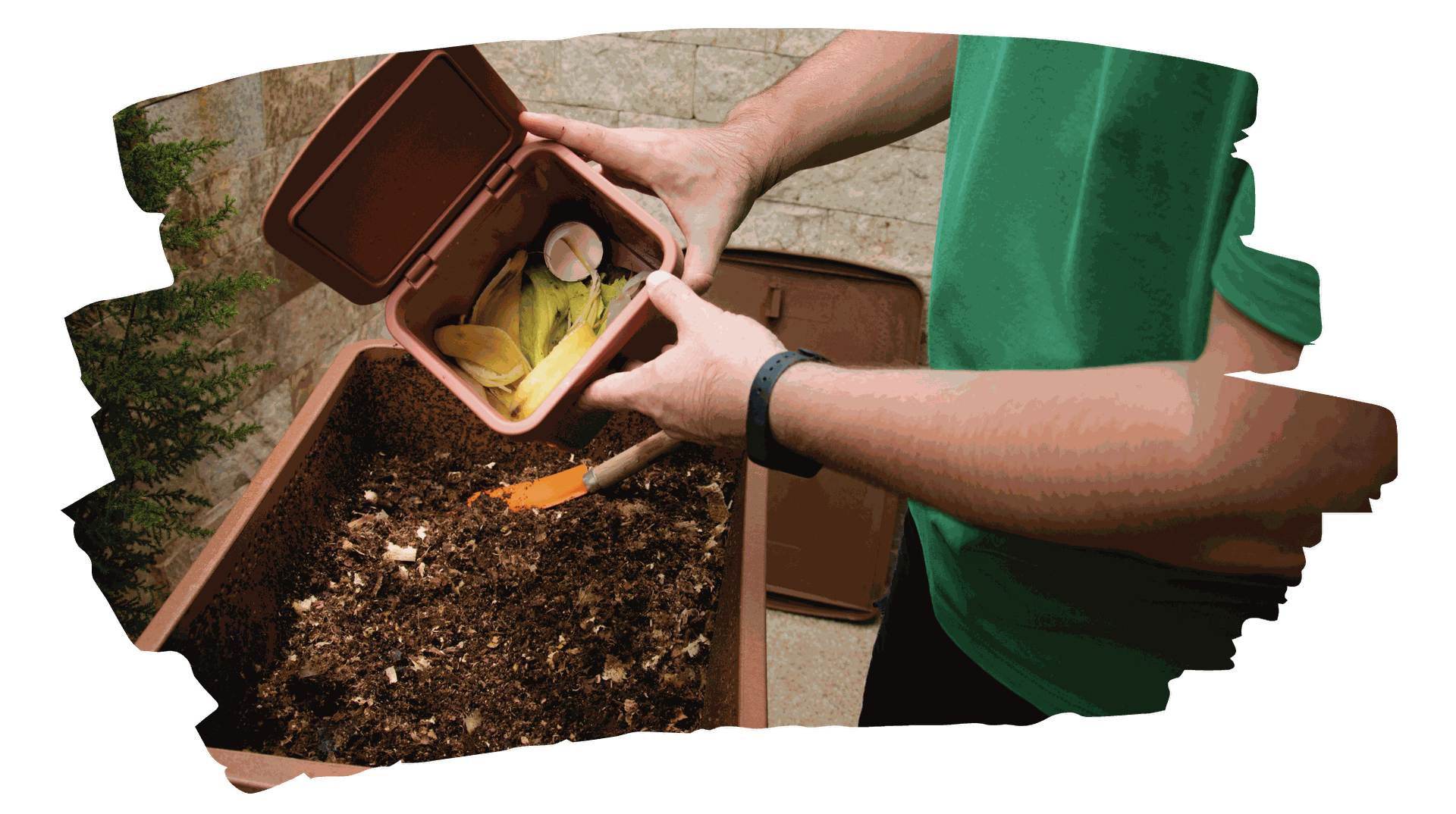
A compost bin, whether a commercially made bin, one built from pallets or even a simple ventilated box.
-
Suitable organic waste, such as fruit and vegetable peelings, pruning waste, crushed eggshells or used paper napkins.
-
A balance of wet and dry materials: alternate “green” waste, which is rich in nitrogen, with “brown” carbon-rich materials such as dry leaves, cardboard or sawdust.
For composting to work effectively, it is also important to:
-
Add water periodicallyif the mixture looks very dry. Compost should be about as damp as a wrung-out sponge.
-
Turn the mixture every one or two weeksso that oxygen reaches every part and the microorganisms can work properly.
With this basic care and a little patience, within a few months you will have good-quality homemade compost ready for your vegetable garden or pots.
Composting: traditional knowledge and a sustainable future
In the Valencian huerta, composting is nothing new: it forms part of ancestral knowledge rooted in making good use of resources, respecting the land and keeping matter in circulation. Today, this knowledge is being renewed and shared, connecting the past with a greener and fairer future.
Our association promotes composting as a key tool in the agroecological transition and as an educational practice for people of all ages.