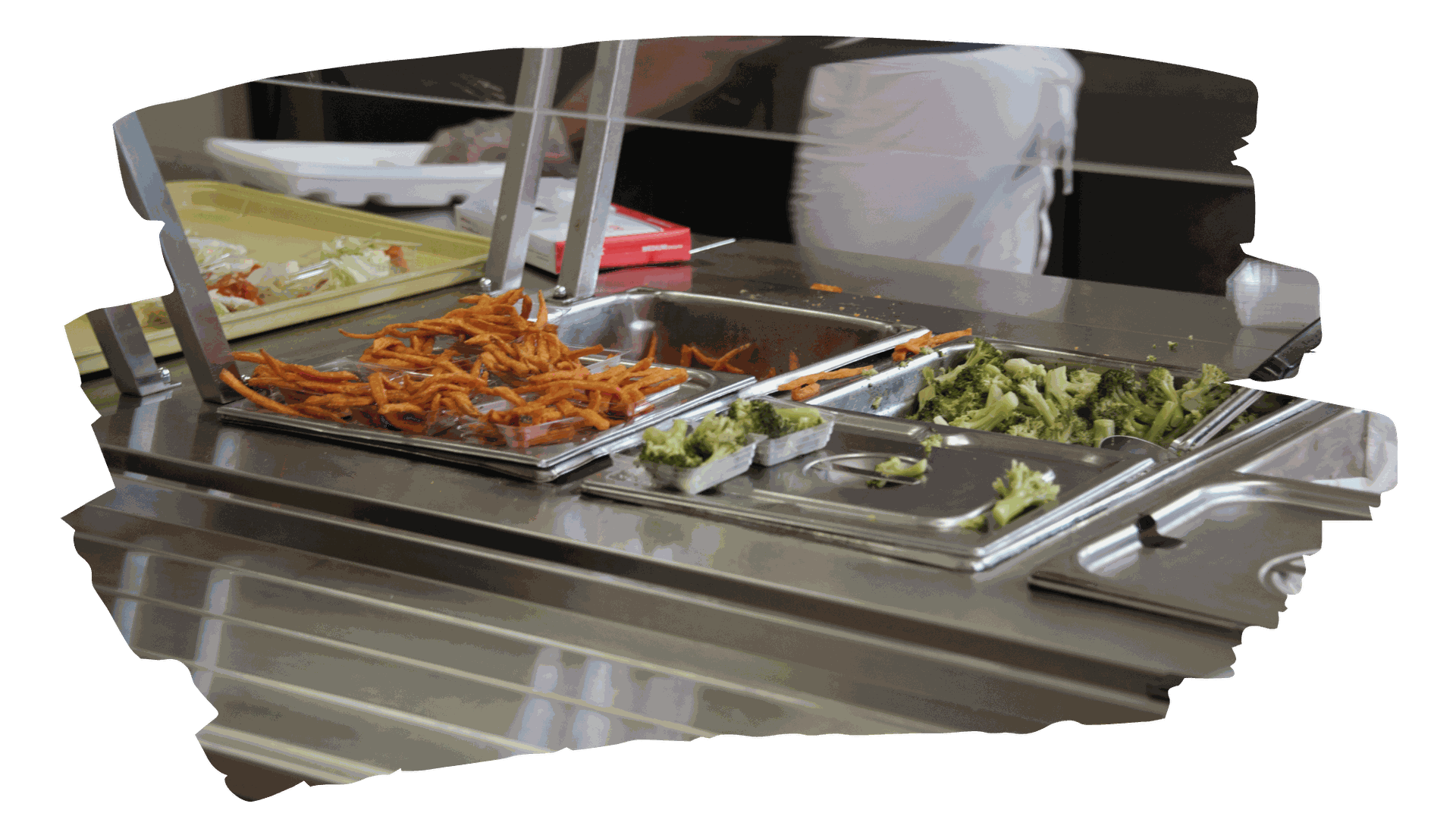
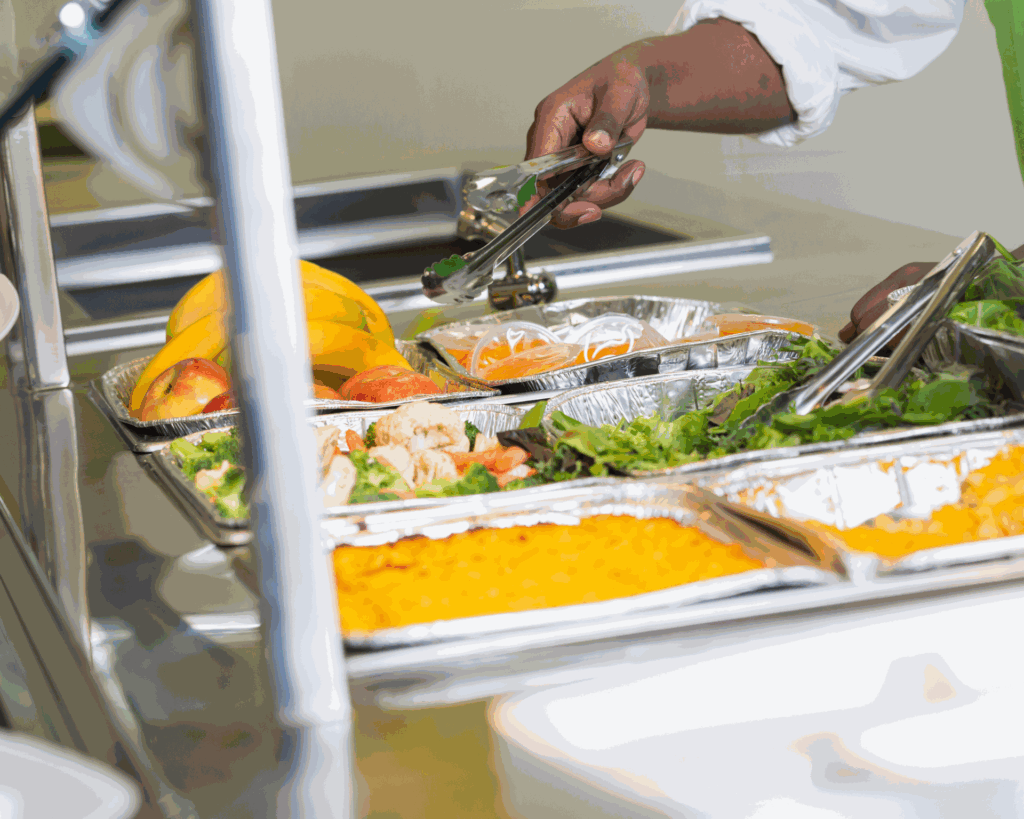
On 15 April 2025, the Spanish Government approved Royal Decree 315/2025, a measure that changes school menus in order to guarantee healthier and more equitable nutrition in all educational centres in the country.
🍎
What do the new rules establish?
The rules introduce significant changes to food served in school canteens:
-
Five healthy meals a week: Ensures that all students receive a balanced and nutritious meal each school day.
-
Fresh fruit and vegetables every day: At least 45% of the fruit and vegetables served must be seasonal, supporting sustainability and local production.
-
Increase in legumes, fish and whole grains: A minimum frequency is established for these foods, promoting a diet rich in essential nutrients.
-
Elimination of unhealthy foods: Sugary and energy drinks and industrially produced pastries may not be sold or distributed in school canteens, cafés or vending machines.
-
Fewer pre-cooked and fried foods: Their presence on school menus is restricted in favour of healthier preparation methods.
-
Adapted menus: Food options must accommodate ethical, religious and health requirements, including fully plant-based menus.
🎯 Objectives of the measure
This regulation seeks to combat childhood obesity and promote healthy eating habits from an early age.
According to the ALADINO 2023 study, 15.9% of children aged 6 to 9 have obesity and 36.1% are above a healthy weight. The prevalence is higher among children from lower-income households.
The school cafeteria thus becomes a key tool to reduce inequalities and guarantee the right to quality food for all students, regardless of their socioeconomic situation.
🌱 Boost for sustainability
The regulations also promote sustainable practices in school cafeterias:
Promotion of local and seasonal products.
Priority must be given to food produced locally and in its natural season, supporting Spanish farmers and livestock keepers.
Consumption of organic foods.
It is established that at least 5% of monthly food spending be allocated to organically produced products.
Waste reduction.
Measures are implemented to minimise the use of single-dose containers and promote recycling practices and reduction of food waste.
🗓️ When does it come into force?
Royal Decree 315/2025 will enter into force on 16 April 2026, giving educational centres a year to adapt to the new provisions.
🔍 Is it all positive? A critical view
Although Royal Decree 315/2025 is a significant step towards healthier and fairer school meals, it has also raised concerns among education and food-sector professionals:
Unequal application depending on the resources of each centre: Not all schools start from the same logistical or budgetary conditions. Public centres with less funding could have a harder time meeting the new requirements.
Lack of personnel and specific training: Menu quality depends not only on ingredients but also on staff training and educational support during mealtimes. Without investment in these areas, the transformation may remain incomplete.
Little participation of the educational community: Families, teachers and students should have a more active role in the design and evaluation of the menus, as well as in complementary training actions.
Ultimately, this law opens a hopeful path, but its success will largely depend on how it is implemented in practice, with sufficient resources, participation and continuous evaluation.