
A heritage nurtured every day
In Mediterranean culture, eating has never been merely about nourishment. It means gathering together, caring for what the land provides and sharing it. Since 2010, the Mediterranean Diet is recognised by the UNESCO as Intangible Cultural Heritage of Humanity: a way of life that brings together health, sustainability and culture.
In the Valencian Community, this heritage is reflected in the way we cook, in produce from the market gardens and in customs that families still preserve.
What does recognition as Intangible Cultural Heritage of Humanity mean?
UNESCO recognises as intangible heritage those practices, knowledge and expressions that are part of the identity of communities.
For the Mediterranean Diet, UNESCO highlights aspects such as:
Respect for local and seasonal products.
The transmission of culinary knowledge between generations.
The connection between territory, culture and health.
The social value of sharing food.
For more information, visit the website UNESCO – Mediterranean Diet
The Mediterranean Diet: a balance between people and nature
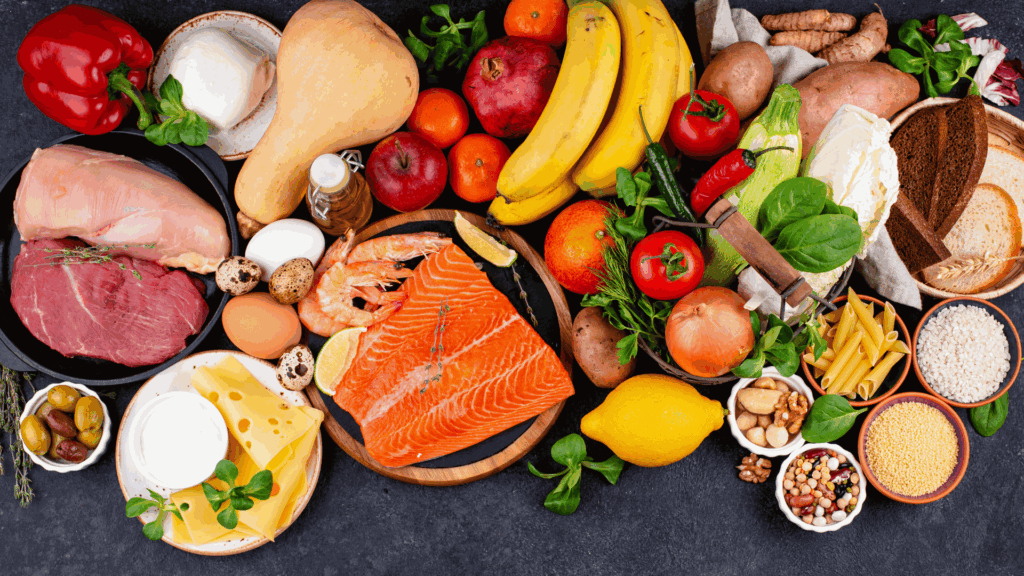
The Mediterranean Diet is defined by its balance with the environment. It is based on plant foods, olive oil, pulses, fish and fresh fruit.
Above all, it reflects a sustainable way of producing and consuming food that cares for the land and values local produce.
Traditional market gardens and urban gardens are among the best places to learn how to sustain this relationship between food and nature.
A shared heritage
Beyond its ingredients, the Mediterranean Diet represents a way of living together. Cooking together, eating as a family and celebrating local festivals strengthen community ties and pass on values of respect and balance.
Therefore, preserving this heritage not only depends on what we eat, but on how we live and share food.