

In addition to their essential role in pollination, many insects help us control pests in the garden, either by preying on them or by deterring them through their presence.
Here are some examples:
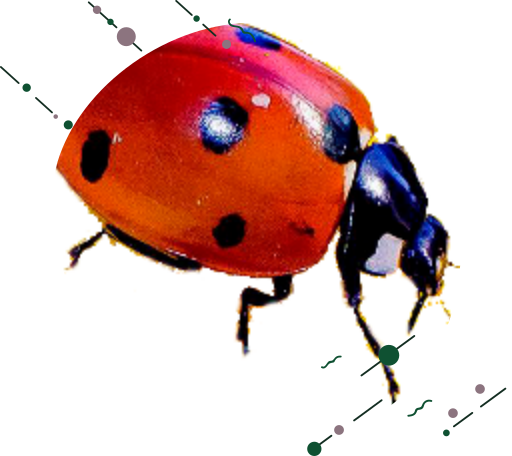
Ladybirds
5 – 10 mm
- These insects are beetles (Coleoptera).
- They feed on aphids, as well as mealybugs, whiteflies, mites and other insects.
- They have few predators—mainly some birds and larger insects—because their bright colours warn of their toxicity.
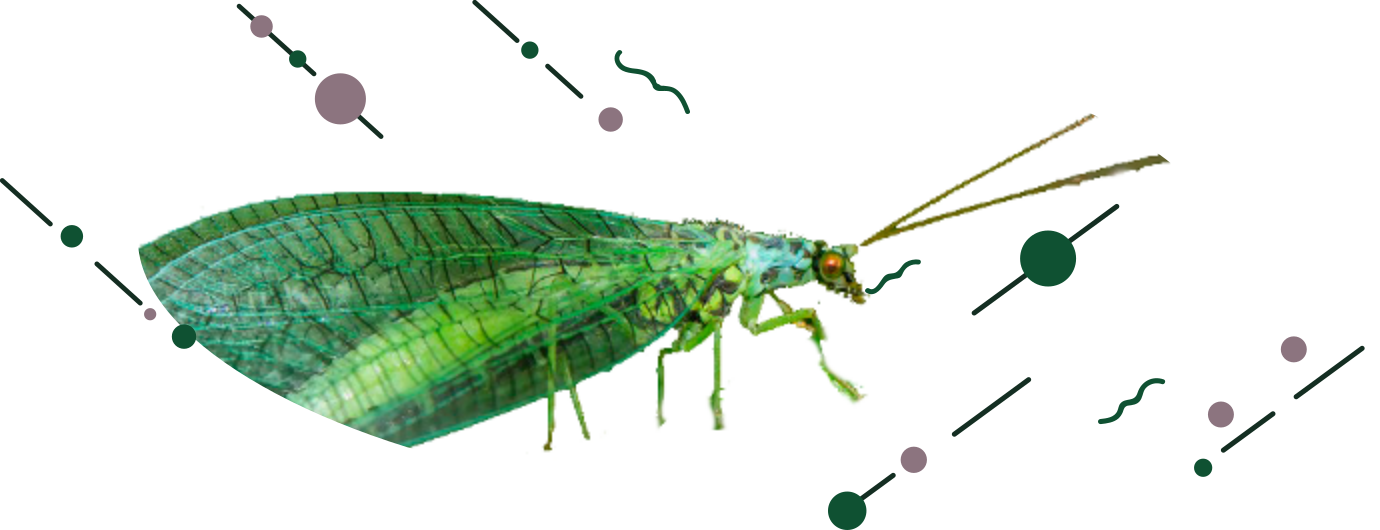
Lacewings
10 – 15 mm
- They feed on some pests such as aphids and mealybugs.
- They are especially useful in the larval stage.
- There are many species; green and brown lacewings are particularly notable.
- They lay their eggs at the end of a fine stalk, protecting them from potential predators.
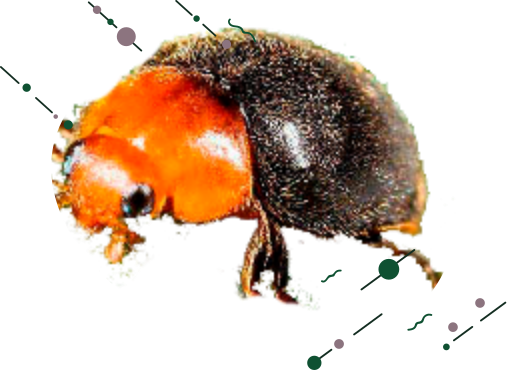
Cryptolaemus montrouzieri
4 – 6 mm
Like the ladybird, this insect is a beetle.
It is the main predator of the citrus mealybug, locally known as cotonet.
It lays its eggs near mealybugs so that its larvae can feed on their eggs and nymphs.
It is sensitive to many plant-protection products used against citrus pests and diseases.
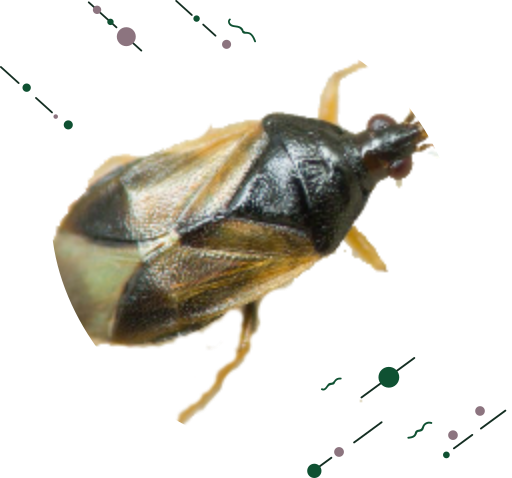
Predatory bugs
1,5 – 2,5 mm
They are voracious natural enemies of thrips.
They also feed on crop pests such as aphids and whiteflies.
When prey is scarce, they feed on pollen.
They are highly mobile; adults can fly and readily move in search of new prey.
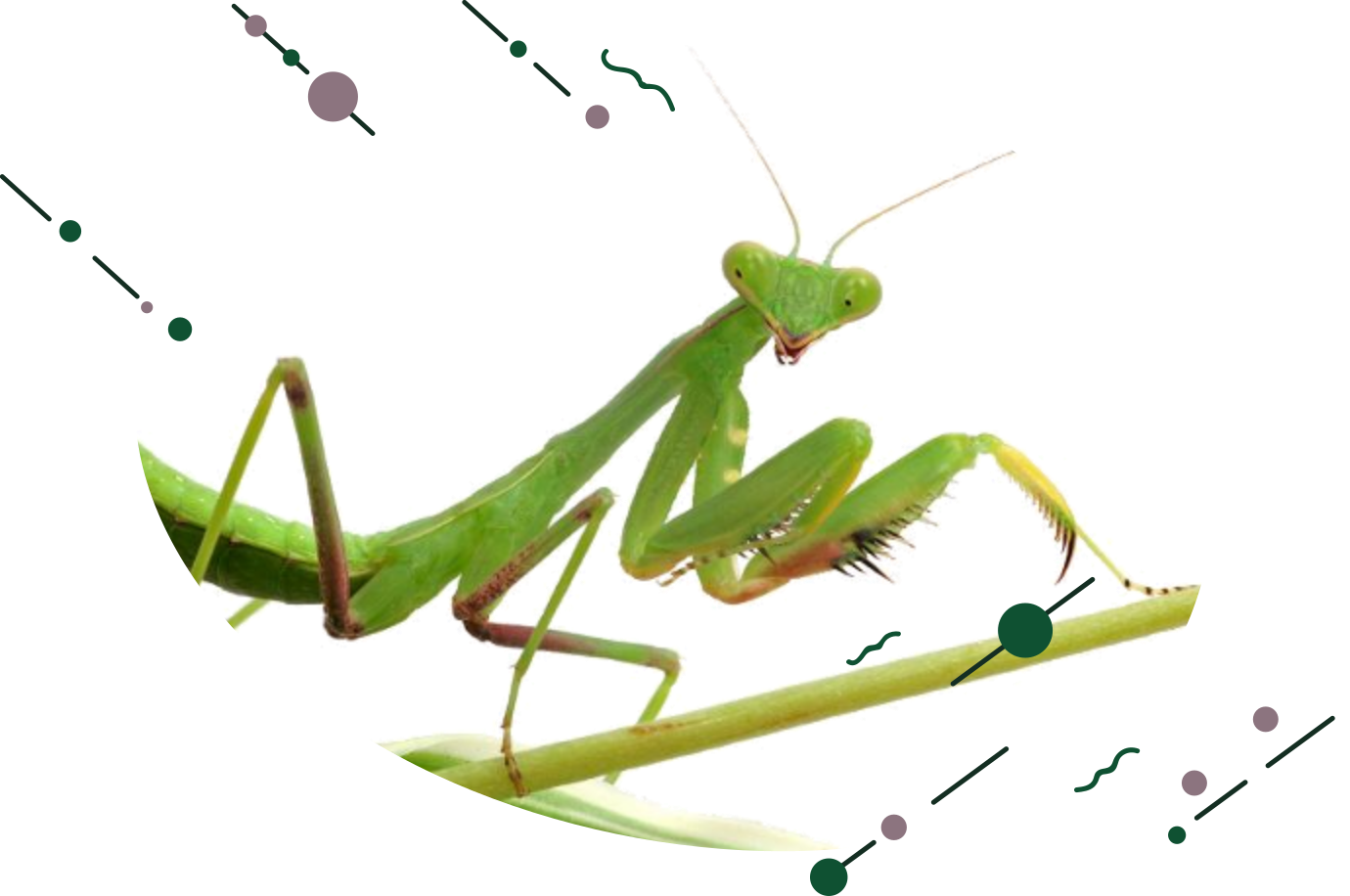
Praying mantises
4 – 7 cm
They are fast and agile.
Their prey includes caterpillars, moths and different types of larvae.
- They can also feed on other beneficial insects.
Far from what is commonly believed, they are not poisonous.
Many other species also protect crops from pests naturally, without plant-protection products that may harm the environment, crops and soil.
Other beneficial creatures include certain beetles and garden spiders—the latter are arachnids rather than insects.
A future article will explain how to attract beneficial insects to your garden. Don’t miss it!