
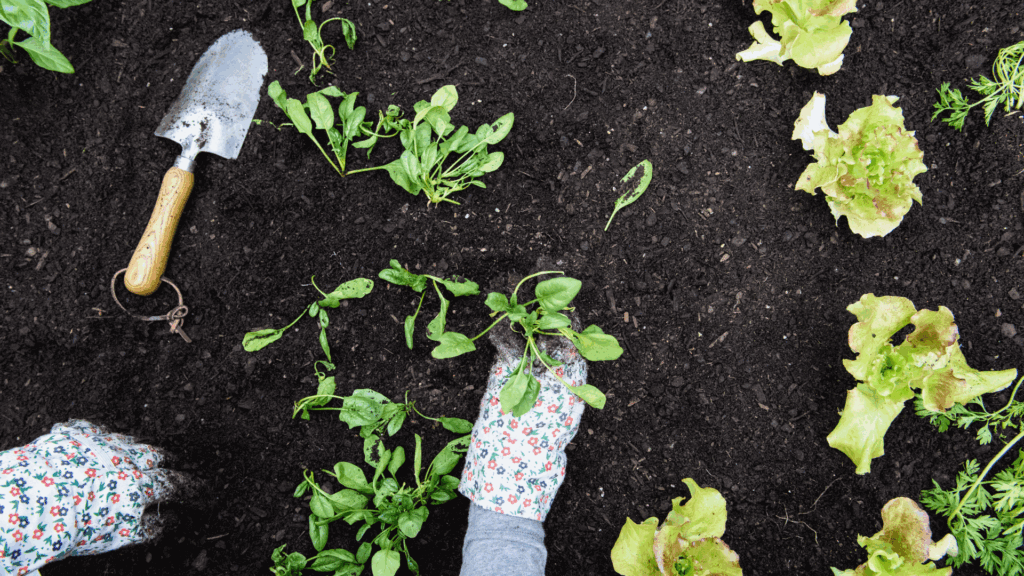
A school garden is much more than a growing space. It is a living classroom, a place where pupils learn by doing, observe natural cycles and develop values such as respect for the environment, cooperation and responsibility.
Questions often arise, however:
How can the garden be managed sustainably?
Which practices are best suited to a school setting?
How can the garden be integrated into the curriculum without relying solely on the efforts of individual teachers?
To answer these questions, the Associació Institut d’Estudis de l’Horta Valenciana has developed the project “Buenas prácticas para el Huerto Escolar Sostenible”, funded by the Conselleria de Educación, Cultura, Universidades y Empleo. The project culminated in a practical guide for teachers at schools that already have a garden or are in the process of creating one.
A tool designed for the realities of schools
The guide grew out of an analysis of real school-garden experiences across the Valencian Community and collaborative work with teachers. It aims to make sustainable school-garden management easier and strengthen its educational value, offering clear, realistic guidance that can be adapted to different settings, including urban and rural schools, small spaces and established gardens.
It combines technical and teaching criteria, enabling the garden to become a cross-curricular resource for developing key skills and environmental education.
What will you find in the guide?
The Guía de Buenas Prácticas para el Huerto Escolar Sostenible covers key topics in a clear and practical way, including:
School composting, step by step
How to introduce composting and use it as an educational tool for exploring the circular economy and natural cycles.
Biodiversity in the school garden
Aromatic and flowering plants, companion planting, insect hotels, and nesting and roosting boxes for birds and bats, among other measures that encourage biodiversity.
Biological pest control
Ways to encourage beneficial organisms that keep pest populations below damaging levels.
Efficient water use
Options for saving and optimising water in the garden—a scarce resource that must be managed responsibly.
Participation and evaluation
Ways to make participation central to the project, together with evaluation indicators for measuring different aspects of the school garden.
Download the good-practice guide
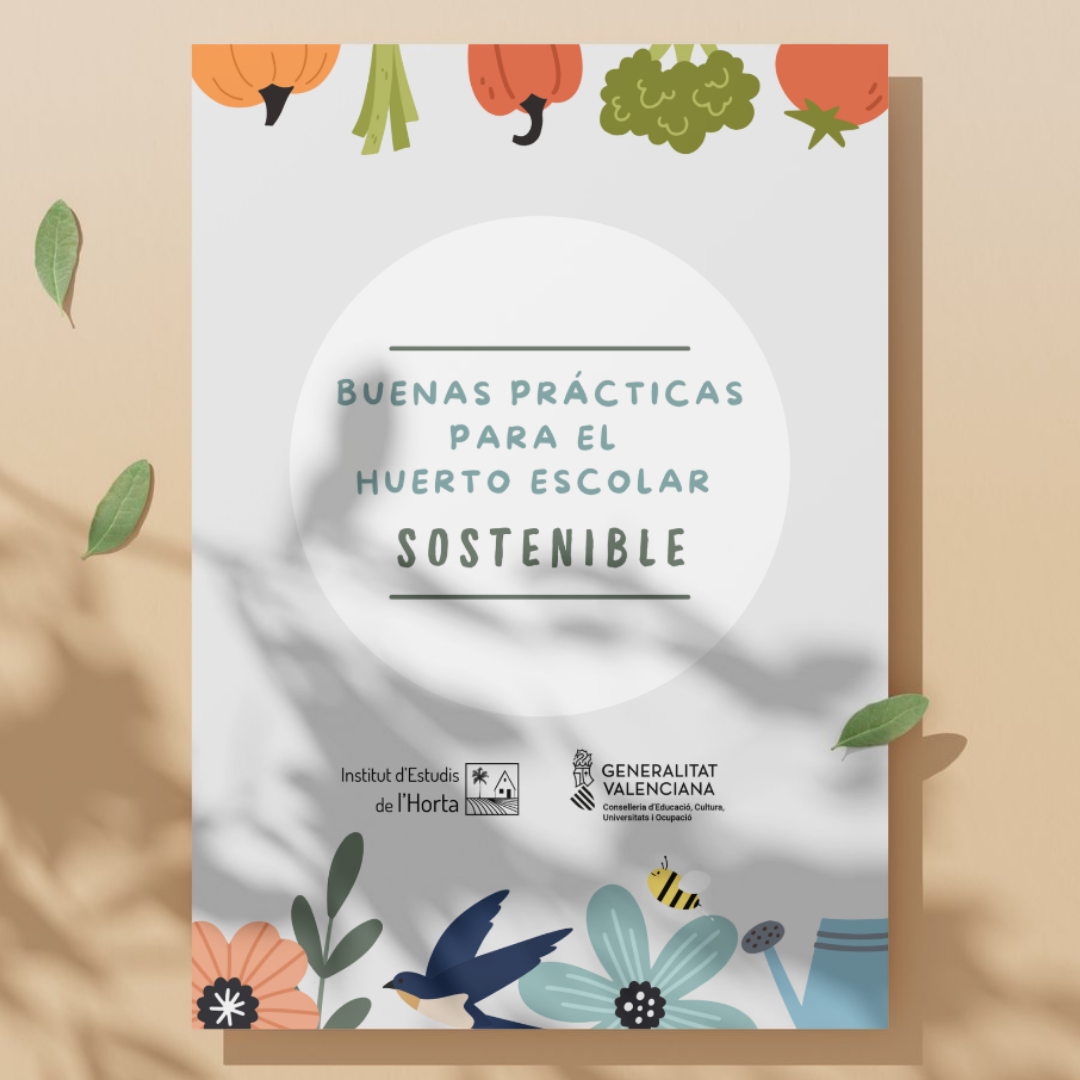
The guide is available free of charge in digital format, making it easy to use and share throughout the education community.
👉 We invite you to download it, use it at your school and share it with other teachers who want to make the school garden more sustainable, educational and participatory.
Click below to download it
We firmly believe that school gardens offer a unique opportunity to teach sustainability from an early age. Through this guide, we want to support teachers on that journey with practical resources that help consolidate educational projects which make a real difference to pupils and their surroundings.
If you work with a school garden, this resource is for you.
This post was produced as part of the “Buenas prácticas para el Huerto Escolar Sostenible” project, funded by the Conselleria de Educación, Cultura, Universidades y Empleo. File number: EDESLV/2025/08.